
Blog, VIETNAM CLASSIC TOURS, Vietnam Travel Blog
Authentic Sapa Experiences: Trekking Beyond the Tourist Crowds
Introduction: Rediscovering the Soul of Sapa
Perched high in the Hoang Lien Son mountain range of northwestern Vietnam, Sapa has long captivated the imaginations of international travelers. Known for its cascading emerald terraced rice fields, dramatic mountain passes, and vibrant indigenous ethnic cultures, Sapa is undeniably one of Southeast Asia’s most breathtaking highland destinations. However, the rapid growth of mainstream commercial tourism in recent years has transformed parts of Sapa town into bustling urban centers filled with concrete hotels, souvenir shops, and crowded tour buses.
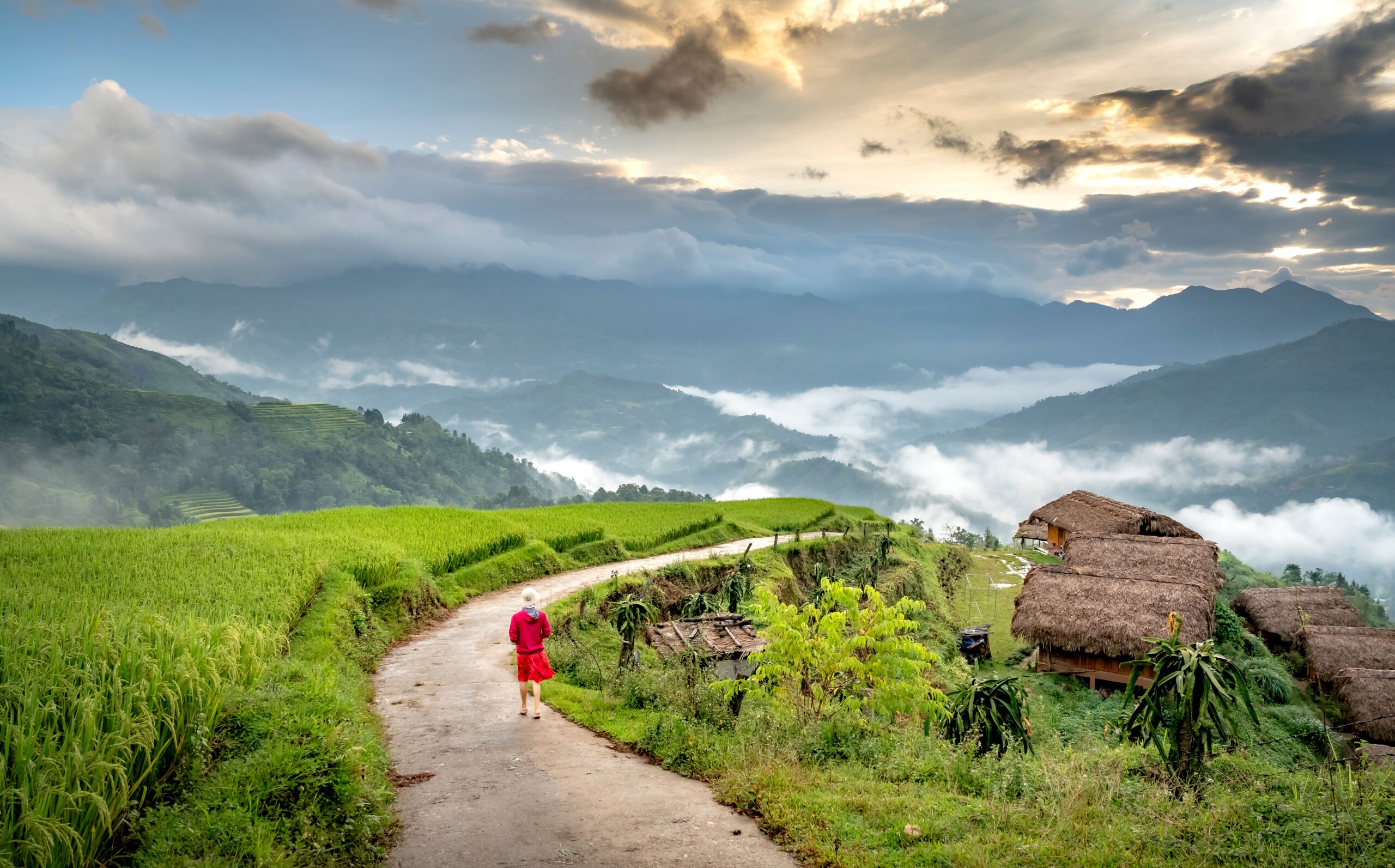
For travelers who seek genuine connection, tranquility, and cultural depth, navigating through commercialized zones can feel disappointing. At Vietnam Local Adventures, we firmly believe that the true spirit of Sapa has not disappeared; it simply lives beyond the main roads and paved tourist trails. When you step off the beaten track and embrace true local experiences Sapa, you unlock an extraordinary world of mist-shrodudled valleys, untouched ethnic hamlets, and warm indigenous hospitality.
This comprehensive guide will lead you through the art of trekking beyond the crowds, discovering authentic cultural traditions, and planning a sustainable highland journey that honors both the environment and local communities.
Section 1: Understanding Sapa’s Indigenous Tapestry and Unique Geography
To fully appreciate the depth of authentic local experiences Sapa, travelers must understand the geographic and cultural landscape that defines this high-altitude sanctuary.
1. The Majestic Hoang Lien Son Mountain Range
Sapa sits in the shadow of Fansipan—the highest peak in Indochina at 3,147 meters above sea level. The region’s steep vertical topography creates dramatic climate micro-zones, deep glacial valleys, and sweeping ridge lines. Generations of indigenous farming communities have adapted to this rugged terrain by carving intricate terraced rice fields into steep mountain slopes, creating a living agricultural masterpiece recognized worldwide.
2. A Mosaic of Ethnic Minority Communities
Sapa is home to several distinct ethnic minority groups, each possessing its own unique dialect, traditional attire, architectural styles, and spiritual customs:
- The Black H’Mong: Recognizable by their dark indigo-dyed hemp clothing, intricate silver jewelry, and expertise in mountain farming.
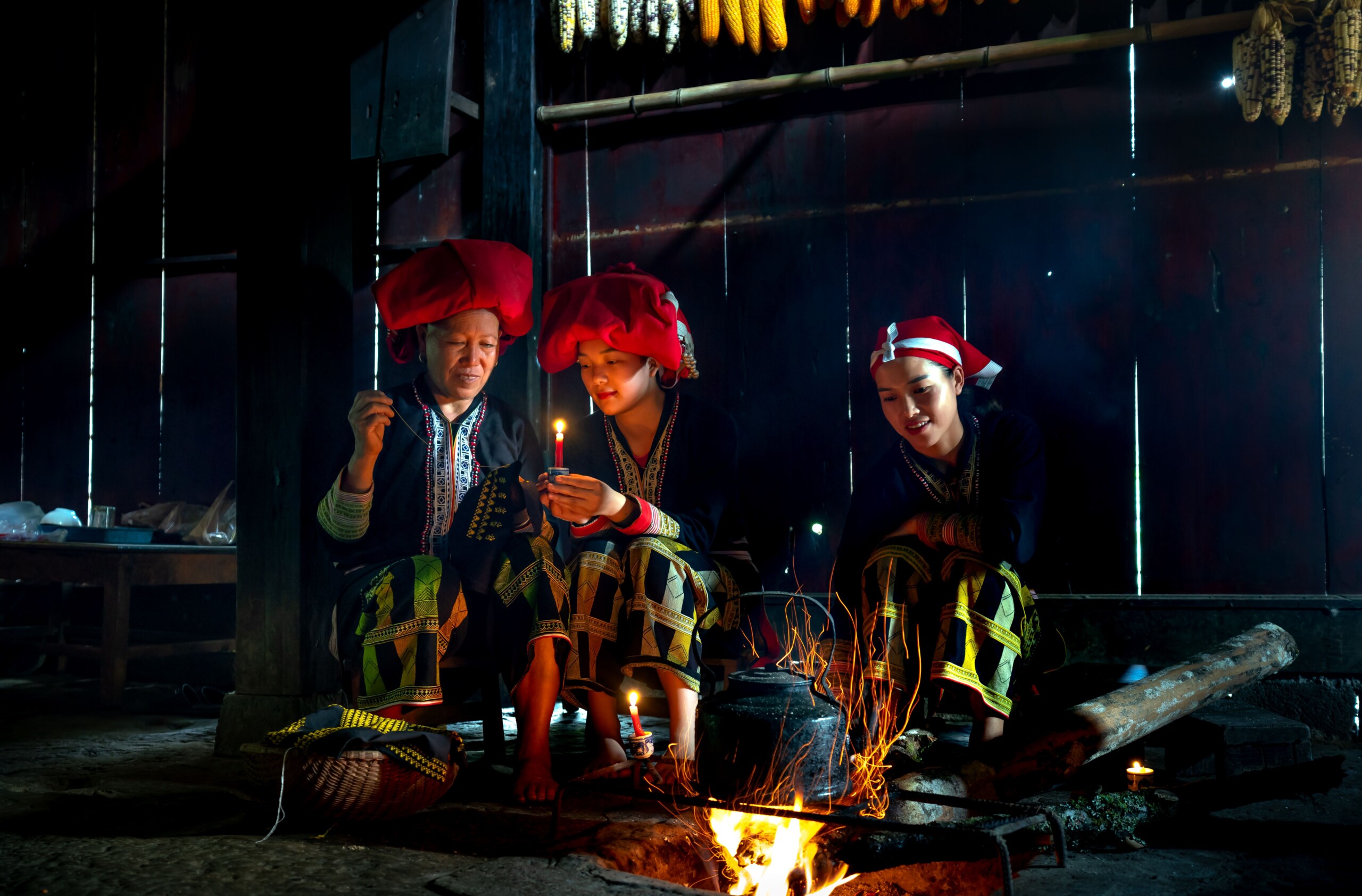
- The Red Dao: Distinguished by their vibrant red headscarves, elaborate embroidery, and ancient knowledge of medicinal herbal baths.
- The Tay and Giay: Inhabiting lower, flatter river valleys, known for their wooden stilt houses and skilled rice cultivation along gentle streams.
Understanding these cultural nuances elevates a simple trek into a meaningful cultural exchange built on mutual respect and shared understanding.
See more: Hoang Lien Son Mountains Tour
Section 2: Trekking Routes Away from the Commercial Crowds
While mainstream day tours typically crowd into Cat Cat Village or short loops through Muong Hoa Valley, true adventure seekers can explore pristine trails that remain virtually untouched by commercial groups. Below are premier secret trekking routes curated by Vietnam Local Adventures:
1. The Upper Ridge Trail: Matra to Ta Phin Valley
Instead of taking the heavily paved walkways, this upper ridge trail guides trekkers through high pine forests and quiet vegetable farms.
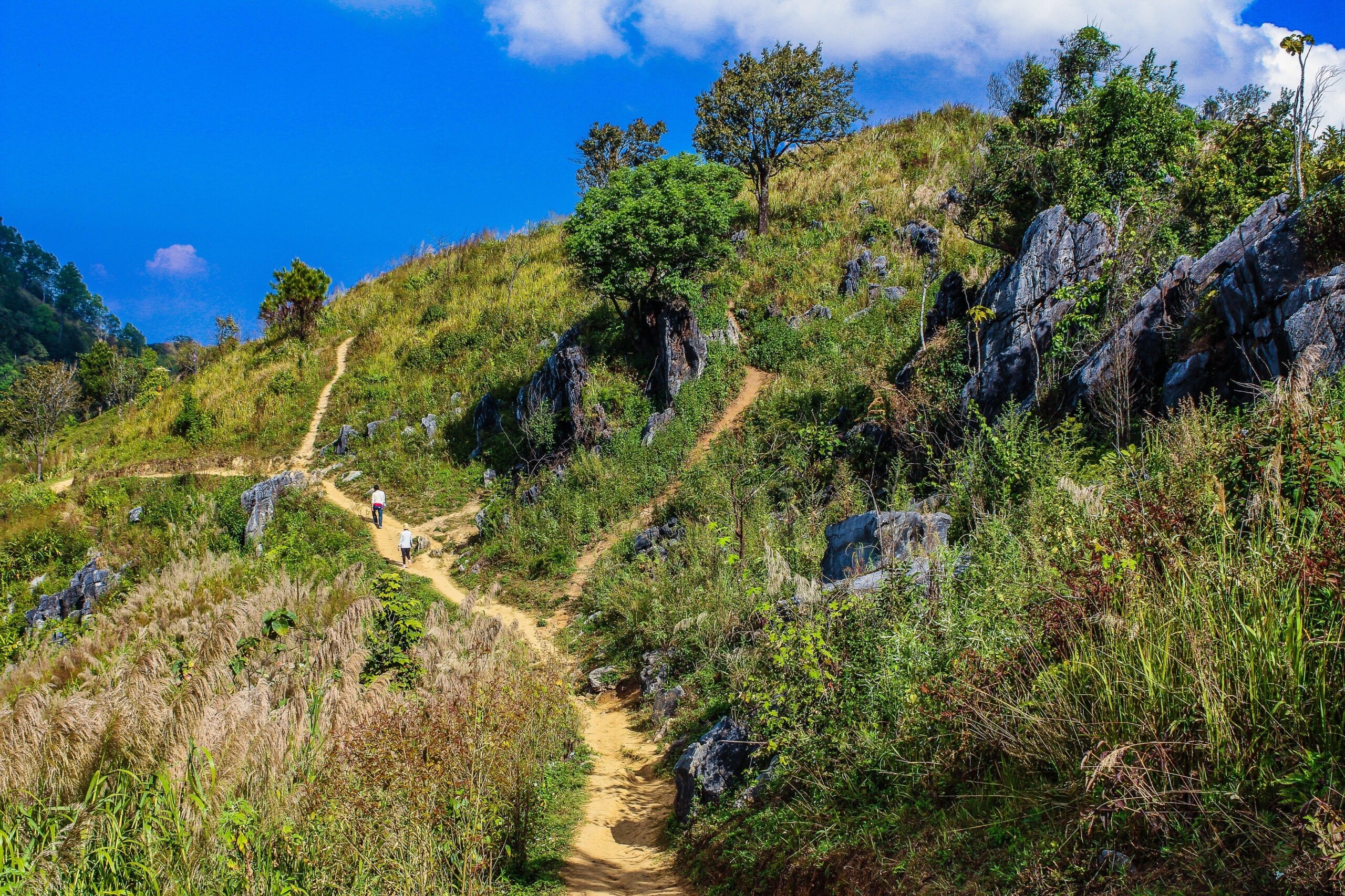
- The Landscape: Walk along narrow dirt footpaths along mountain crests, offering sweeping 360-degree views of the valley below.
- Cultural Experience: Reach Ta Phin Village, home to both Red Dao and Black H’Mong communities. Here, you can learn about traditional hemp weaving and experience an authentic Red Dao herbal bath prepared with wild forest roots.
2. The Deep Valley Trek: Hau Thao to Seo Trung Ho
Located deep within the southern sector of Muong Hoa Valley, Seo Trung Ho remains one of Sapa’s best-kept secrets due to its challenging topography.
- The Landscape: Hike past dramatic waterfalls, cross suspension bamboo bridges over rushing rivers, and trek through ancient bamboo forests.
- Cultural Experience: Visit isolated Dao and H’Mong hamlets where traditional lifestyles remain completely unperturbed by commercial souvenir vendors.
3. The Northern Wilds: Y Ty and the Bat Xat Highland Frontier
For travelers willing to venture slightly further from Sapa town, the Bat Xat district and Y Ty cloud plateau represent the ultimate frontier of non-touristy highland exploration.
- The Landscape: Marvel at earthen rammed-wall houses (nhà trình tường) nestled amidst sweeping seas of mountain clouds and ancient terraced valleys.
- Cultural Experience: Engage with the Ha Nhi ethnic group, known for their unique earthen architecture and rich folklore traditions.
Section 3: Essential Local Experiences Sapa Beyond Trekking
Trekking is only one doorway into Sapa’s authentic culture. Immersing yourself in daily highland rhythms allows you to build lasting memories that go far beyond standard sightseeing:
1. Authentic Family Homestays Over Commercial Eco-Lodges
Staying in a family-run homestay constructed from local timber and bamboo allows you to experience real mountain life:
- Shared Meals: Gather around the hearth fire in the evening to prepare farm-to-table dishes alongside your host family, utilizing fresh garden vegetables, wild mountain herbs, and free-range livestock.
- Storytelling & Traditions: Listen to local legends shared by village elders over hot cups of roasted green tea or homemade corn wine.
2. Masterclasses in Traditional Handicrafts
Engage directly with local artisans to preserve ancient cultural art forms:
- Indigo Dyeing & Batik Painting: Learn from Black H’Mong women how to use beeswax stamps to draw delicate geometric patterns on woven hemp cloth, followed by multiple dips in natural indigo dye vats.
- Traditional Embroidery: Discover the intricate symbolic meanings behind Red Dao needlework patterns that reflect mountain flora, fauna, and spiritual beliefs.
3. Traditional Red Dao Herbal Wellness
After a rewarding day of hiking mountain passes, indulge in a therapeutic Red Dao herbal bath. Dozens of wild medicinal plants—harvested sustainably from high mountain forests—are boiled in large wooden tubs. The aromatic, steaming water relieves muscle fatigue, improves circulation, and offers deep relaxation.
Section 4: Deep Dive into Indigenous Heritage and Folklore
Beyond daily routines and crafts, Sapa’s remote highland communities preserve deep spiritual traditions that connect human life directly with the mountain spirits, forests, and seasonal cycles.
1. Spiritual Connection to Nature and Animism
The ethnic minority groups in Sapa historically practice animism, believing that every mountain, river, rock, and ancient tree possesses a guardian spirit. Rituals are performed before planting and harvesting seasons to pray for rain, protection, and abundant crops. Joining a local guide on a walk through sacred forests allows travelers to learn about taboos and spiritual boundaries respected by villagers for centuries.
2. Traditional Music and Oral History
Evening gatherings in remote villages often feature acoustic performances using traditional instruments such as the kèn môi (jaw harp), bamboo flutes, and the đàn tính. These melodies tell stories of love, historical migrations across mountain borders, and the struggles of highland farming. Listening to these folk songs by a crackling wood fire offers a profound emotional window into the soul of the mountains.
Section 5: Responsible and Sustainable Travel Principles in the Highlands
Preserving the cultural dignity and ecological beauty of Sapa requires conscious effort from every traveler. When seeking authentic local experiences Sapa, adhering to ethical travel practices is paramount:
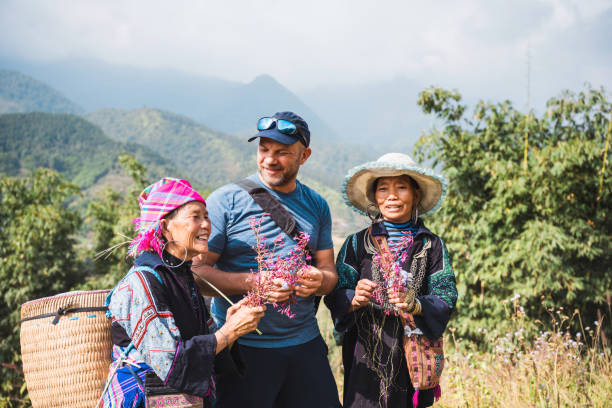
- Hire Local Indigenous Guides: Choose guides born and raised in the villages you visit. Local guides provide invaluable cultural context, ensure safety on remote trails, and ensure tour revenue directly supports village families.
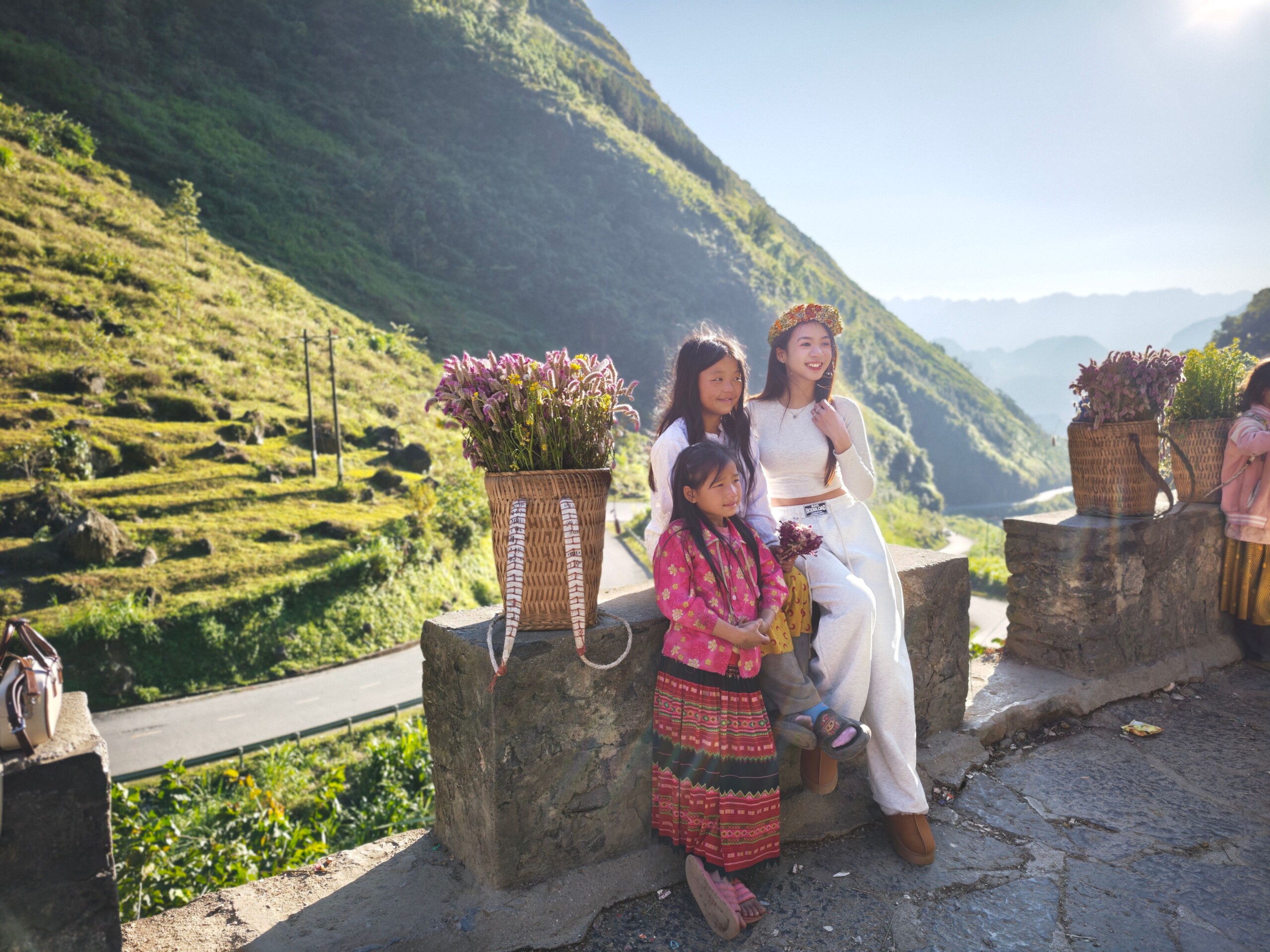
- Respect Local Customs and Privacy: Always ask for permission before taking photographs of local residents, especially children and village elders. Avoid giving candy or money directly to children along trekking trails, as this encourages begging and attendance dropouts at local schools.
- Leave No Trace on Trails: Carry out all personal trash, avoid single-use plastic bottles by utilizing refillable filtration containers, and stay on established footpaths to prevent soil erosion across delicate terraced farms.
- Support Local Artisans Fairly: Purchase authentic handmade handicrafts directly from local makers at fair prices rather than mass-produced factory imitations sold in commercial markets.
Section 6: Seasonal Guide: When to Experience Sapa at Its Best
Sapa experiences four distinct seasons, each offering a completely unique visual and experiential landscape:
- March to May (Spring – Blossoms & Planting Season): Crisp air, clear skies, and blooming peach and plum blossoms across mountain valleys. Farmers fill terraced fields with water (mùa nước đổ), turning mountainsides into shimmering natural mirrors.
- June to August (Summer – Lush Green Terraces): Warm weather and lush, vibrant green rice paddies stretching as far as the eye can see. Afternoon mountain showers keep the air fresh and cool.
- September to October (Autumn – Golden Harvest Season): The most famous time for photography. Terraced valleys transform into brilliant golden yellow landscapes as ripe rice is harvested by hand.
- November to February (Winter – Cloud Hunting & Cozy Hearth Fires): Cool to cold temperatures with atmospheric mountain mists, rolling clouds, and occasional frost on high peaks. Perfect for cozy evenings around village hearth fires.
Conclusion: Embark on Your Unique Sapa Journey
Sapa’s true enchantment does not lie in crowded town squares or commercialized tourist attractions; it thrives in the quiet whisper of mountain winds through bamboo groves, the warm smiles of host families in remote valleys, and the rewarding climb up mist-covered ridges. By choosing slow, conscious exploration, you discover the authentic soul of Vietnam’s northern highlands while creating a positive, lasting impact on the local communities who call it home.
Contact Vietnam Local Adventures, we specialize in designing tailor-made, private Sapa itineraries that take you far beyond the crowds and deep into authentic local culture. Contact us today to begin crafting your unforgettable Sapa adventure!