
Blog, VIETNAM CLASSIC TOURS, Vietnam Travel Blog
Best Sounthern Vietnam Itinerary: Discover Rare Hidden River Escapes
The Heart of Vietnam’s Cultural and Coastal Geography
Central Vietnam is a link between the quiet north and the lively south. It has coast, striking limestone cliffs and high peaks of the Truong Son (Annamite) Mountains. For years tourists have seen Central Vietnam only as a quick list: a fast visit to Hoi An, a short look at Hue’s Imperial Citadel and a beach day in Da Nang.
When travel follows a set pattern the true spirit of a place can disappear because of buses and crowded souvenir stalls. For the traveler who wants real depth instead of quick tours Central Vietnam gives a wonderful backdrop. Past the busy streets are fishing villages, hidden lagoons that have not been farmed wild sea paths and misty mountain passes that tell stories of old kingdoms.

Planning a vietnam itinerary 7 days needs a careful mix of famous historic sites and hidden places. This guide gives a planned daily map to let central vietnam itinerary 7 days experience real history, clean beaches and hidden natural wonders while keeping travel sustainable.
Section 1: Decoding the Unique Appeal of Central Vietnam
To really enjoy a week- trip through Vietnams middle one must look past normal guidebooks and see the land and people that shape the area.
The Convergence of Imperial History and Nature
Central Vietnam has history. From Nguyen Dynasty kings who ruled from Hue’s walls to the Cham people who built brick temples like My Son the land is full of heritage. At the time nature is great here. The area has waters on the Son Tra Peninsula clear lagoons at Lang Co and rough forest hills that go to the Truong Son mountains.
Shifting the Travel Paradigm
Normal tourism pushes travelers to jump from one monument to another checking off sites for photos.
A thinking traveler thinks differently. Of counting how many sights are seen they value quiet moments, real local contact, protection of fragile sea areas and a slower pace. By leaving resort streets for lagoons and village craft shops, central vietnam itinerary 7 days helps local businesses and lets Central Vietnam’s real spirit show.
Section 2: The Ultimate 7-Day Central Vietnam Itinerary
Day 1: Arrival in Da Nang and Coastal Transit to Lang Co Lagoon
Morning: Arrive at Da Nang International Airport. Rather than stay in the city go straight north to the famous Hai Van Pass. Drive up the winding mountain road where mist meets sea spray seeing views of Da Nang Bay and the big East Sea.
Afternoon: Go down into calm Lang Co Bay, a beautiful lagoon known as one of the world’s best. Stay at an eco-lodge or stilt house near the water.
Evening: Eat a dinner with fresh seafood taken straight from the lagoon by local fishermen with local herbs and rice wine. Sleep early to get ready for the history tour tomorrow.
Day 2: The Imperial Echoes of Hue and Perfume River Sanctuaries
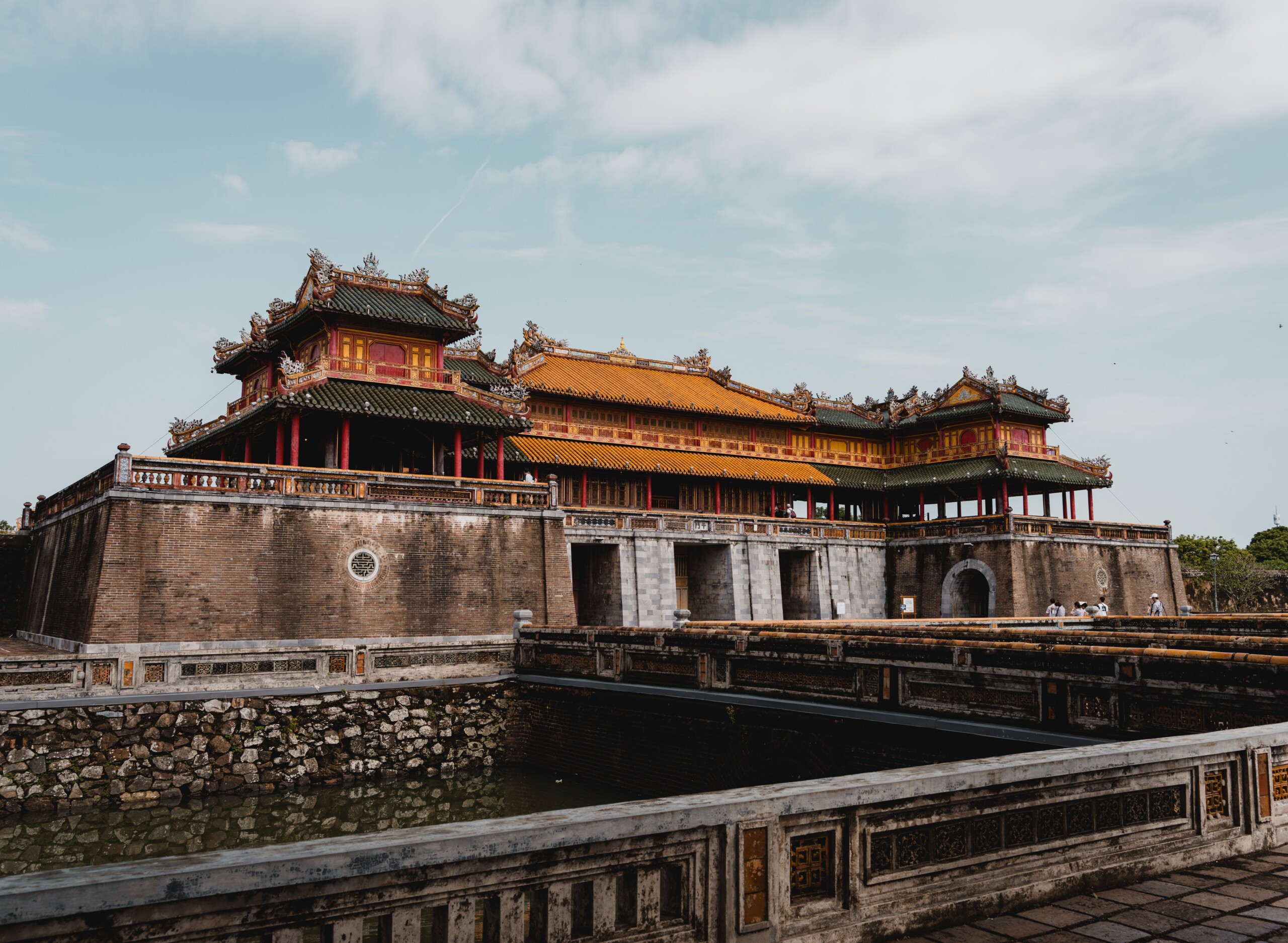
Morning: Go inland from the coast to Hue, the former royal capital. Start by walking through the Hue Imperial Citadel passing the Ngo Mon Gate and looking at the palaces, temples and old court courts where Vietnam’s kings once lived.
Afternoon: Ride a wooden dragon boat for a quiet trip on the Perfume River, to the famous Thien Mu Pagoda. Then go to the tomb of Emperor Khai Dinh, where fine building style mixes Vietnamese look with European Gothic and Renaissance touches.
Evening: Walk along the banks of the Perfume River as night falls sampling Hue specialties like banh beo (rice water fern cakes) and bun bo Hue from quiet family‑run street stalls. Return to the accommodation in Hue or Lang Co.
Day 3: Travel across the Hai Van Pass and discover beaches.
Morning: Leave Hue. Travel south across the Hai Van Pass stopping at hidden lookouts far from tourist crowds. Explore the French and American‑era bunkers that lie along the ridge lines.
Afternoon: Reach the fishing village near the Son Tra Peninsula (Monkey Mountain). Exchange the car for a fishing boat or a coastal walk to find hidden, pristine beaches such as Bai Bac or remote rocky coves where crystal‑clear waters touch untouched shores.
Evening: Stay in a quiet boutique beachside bungalow in Da Nang or a nearby fishing community. Think about the days journey while listening to the rhythmic waves rolling onto the sand.
Day 4: Visit the Marble Mountains and the Cham ruins of My Son.
Morning: Travel south of Da Nang to explore the Marble Mountains (Ngu Hanh Son) a group of five limestone and marble hills of hidden caves, natural grottoes and ancient Buddhist sanctuaries inside stone chambers.
Afternoon: Travel inland to the UNESCO World Heritage site of My Son Sanctuary, the political capital of the ancient Champa Kingdom. Walk among moss‑covered red‑brick tower ruins from the 4th to the centuries surrounded by a secluded jungle valley.
Evening: Arrive in the town of Hoi An just as the sun sets. See the historic merchant streets light up with hundreds of glowing silk lanterns. Eat quietly by the Thu Bon River staying away from the tourist paths and choosing intimate alleyway eateries.
Day 5: Explore Hoi An’s living heritage and rural craft villages.
Morning: Spend the morning walking through Hoi An’s Old Town. Visit the Japanese Covered Bridge, centuries‑old assembly halls such as Phuc Kien and traditional merchant houses that show a unique mix of Japanese, Chinese and Vietnamese architecture.
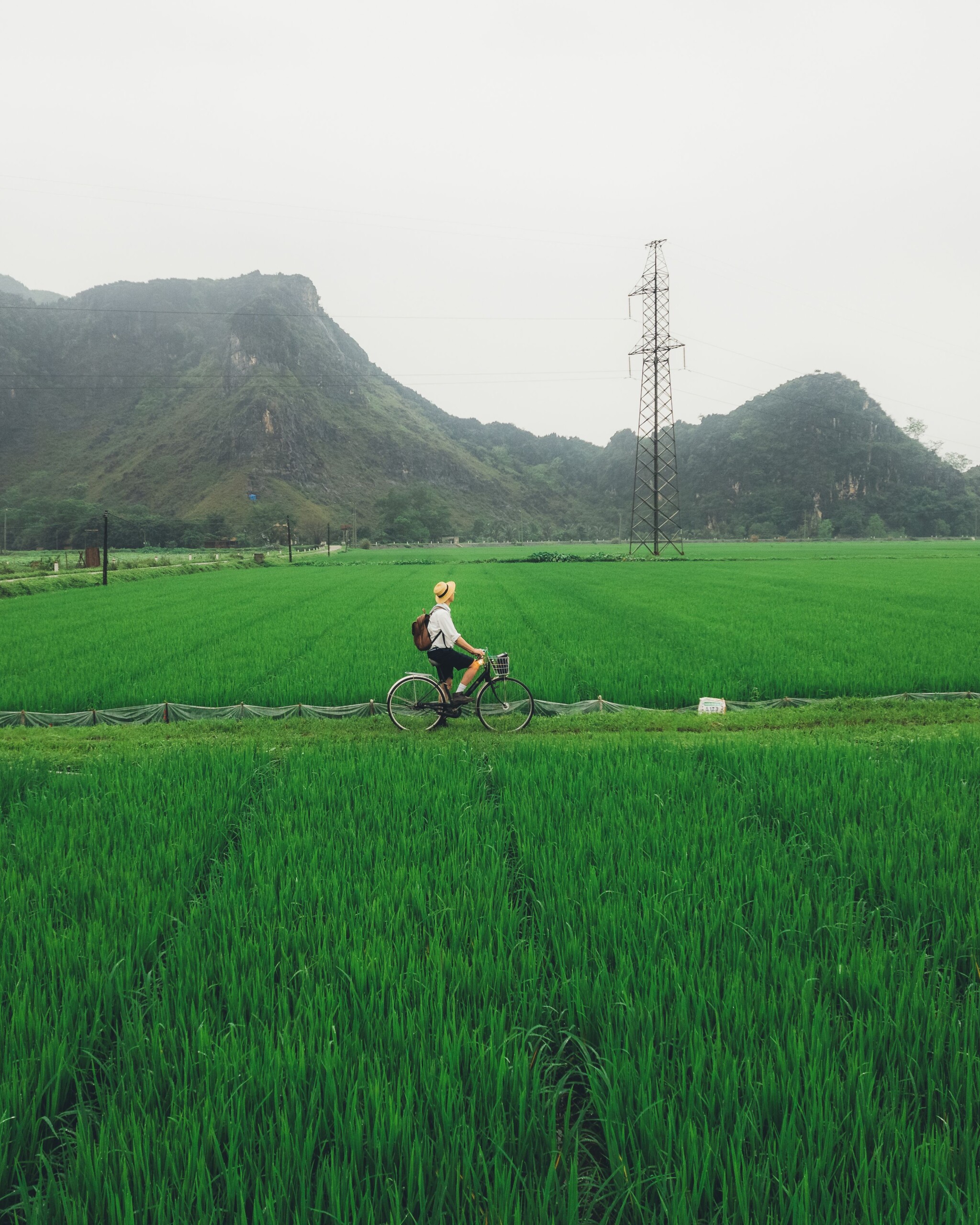
Afternoon: Rent a bicycle and ride out of the town center into the countryside. Visit the Tra Que Vegetable Village or the Kim Bong Carpentry Village, where local artisans keep centuries‑old woodworking and farming traditions without mass‑commercialized interference.
Evening: Join a cooking class hosted by a family learning how to make authentic central Vietnamese dishes with herbs picked straight from organic village gardens.
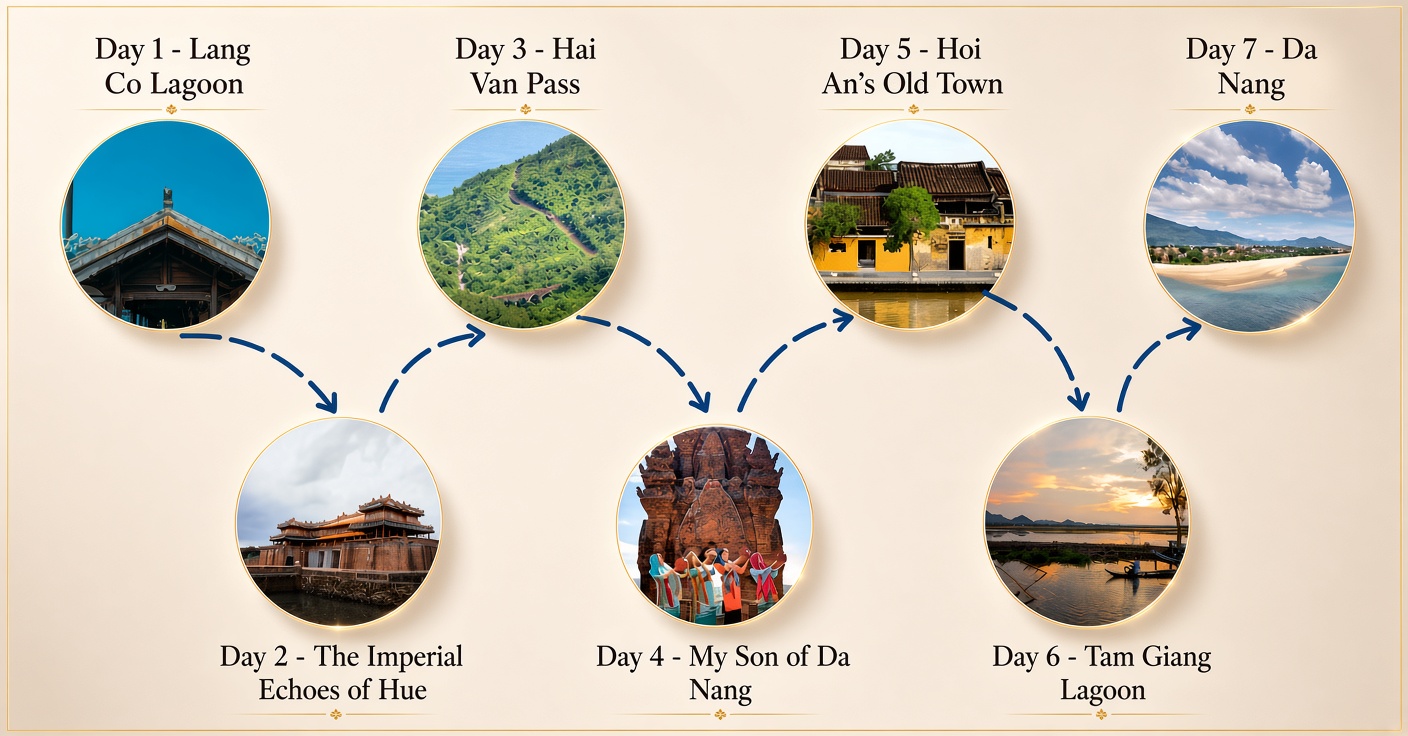
Day 6: Explore the waters of Tam Giang Lagoon.
Morning: Go on a day trip to the massive Tam Giang Lagoon system, the largest lagoon in Southeast Asia. This vast brackish water area stays remarkably pristine dotted with bamboo stilt houses and intricate net enclosures used by fishermen.
Afternoon: Board a motorized sampan with a local fisherman. Glide across the mirror‑like lagoon surface watching casting techniques exploring flooded mangrove patches and visiting remote stilt communities that live in harmony with the tides.
Evening: Enjoy a sunset feast on a floating aquaculture platform, tasting caught eel, crab and specialty fish cooked with simple aromatic regional spices.
Day 7: Relax, reflect and depart from Da Nang.
Morning: Spend the morning in calm reflection. Walk along an uncrowded stretch of Central Vietnam’s coast watching local fishermen pull in their morning catch as the sun rises over the East Sea.
Afternoon: Return to Da Nang to collect mementos making sure any crafts bought support local artisans instead of mass‑produced souvenir shops. Transfer to Da Nang International Airport for the departure flight carrying the memory of an authentic seven‑day exploration.
Section 3: Create an mindful expedition.
Executing a central Vietnam itinerary of seven days requires a conscious commitment to reducing the environmental footprint and maximizing positive impacts on grassroots communities.
Practice strict Leave No Trace protocols: always carry out any waste you bring into areas, coastal sanctuaries and lagoon ecosystems. Respect coral reefs avoid single‑use plastics and choose human‑powered transport—such, as walking or cycling—when exploring rural villages.
Empower indigenous and rural economies: choose family‑run homestays, locally owned boutique lodges, independent guides and neighborhood eateries instead of large international resort chains. When money goes into local households communities can preserve their natural landscapes and cultural heritage.
Respect Cultural Autonomy and Dignity: Always ask for permission before taking pictures of local elders, artisans and children especially in remote fishing villages and highland settlements. Treat every interaction with deep humility, curiosity and respect for local traditions.
Section 4: Seasonal Dynamics: Timing Your Central Vietnam Expedition
Central Vietnam’s weather patterns are unique and greatly shaped by the Truong Son mountain range and coastal monsoons. Choosing the time of year is essential for the best experience.
Spring (February to April): This season is widely seen as the time to explore Central Vietnam. Temperatures are warm and pleasant. Rainfall is minimal. Skies are clear. This makes it ideal for trekking the Hai Nav Pass exploring Hue’s monuments and cycling through Hoi An.
Summer (May to August): This season has sunshine, blue skies and calm seas. It is the time for beach exploration, lagoon boat trips and snorkeling around pristine coastal coves. Midday temperatures can become quite high.
Autumn (September to November): This is the region’s rainy season. It brings tropical downpours and seasonal storms especially in October and November. Coastal areas may experience flooding. However the landscapes around lagoons and mountains become lush and dramatic.
Winter (December to January): Cooler temperatures are common. A refreshing coastal breeze and occasional misty rain visit Hue and surrounding passes. This season offers a contemplative atmosphere. Fewer travelers are on the roads.
By aligning your travel schedule, with these rhythms you make sure every destination shows its absolute peak beauty and atmospheric depth.
Take the road less traveled. Slow down your pace. Let the wilderness and ancient heritage of Central Vietnam show their kept secrets to you.
Do you want to experience the side of Central Vietnam that most people miss? Contact Vietnam Local Adventures today. Begin planning your custom expedition to discover heritage, pristine beaches and hidden lagoons.