
Blog, Vietnam Eco Tours, Vietnam Travel Blog
Unlock the Forbidden Fansipan trekking tour for Spectacular Scenery
Conquer the Roof of Indochina on Foot with Vietnam Local Adventures
Standing proudly at 3,147 meters above sea level in the Hoang Lien Son mountain range, Mount Fansipan is widely celebrated as the “Roof of Indochina.” For decades, reaching this iconic mountain summit was considered the ultimate rite of passage for mountaineers, backpackers, and intrepid explorers navigating the rugged highlands of northwestern Vietnam. However, with the inauguration of the modern Sun World cable car system, thousands of day-trippers now reach the peak in a matter of minutes, transforming parts of the summit into a bustling tourist destination.
At Vietnam Local Adventures, we specialize in designing ethical, highly secure, and immersive private trekking expeditions that lead you far beyond the commercialized walkways. This comprehensive guide provides everything you need to know about trekking Mount Fansipan without taking the cable car—covering route breakdowns, physical preparation, gear checklists, seasonal weather patterns, cultural encounters, and responsible mountaineering principles.
Why Choose the Non-Cable Car Trekking Route?
While the cable car offers speed and convenience, choosing a ground-based Fansipan trekking tour delivers an infinitely richer, more rewarding mountain experience.
1. Earning the Summit Through Authentic Grit
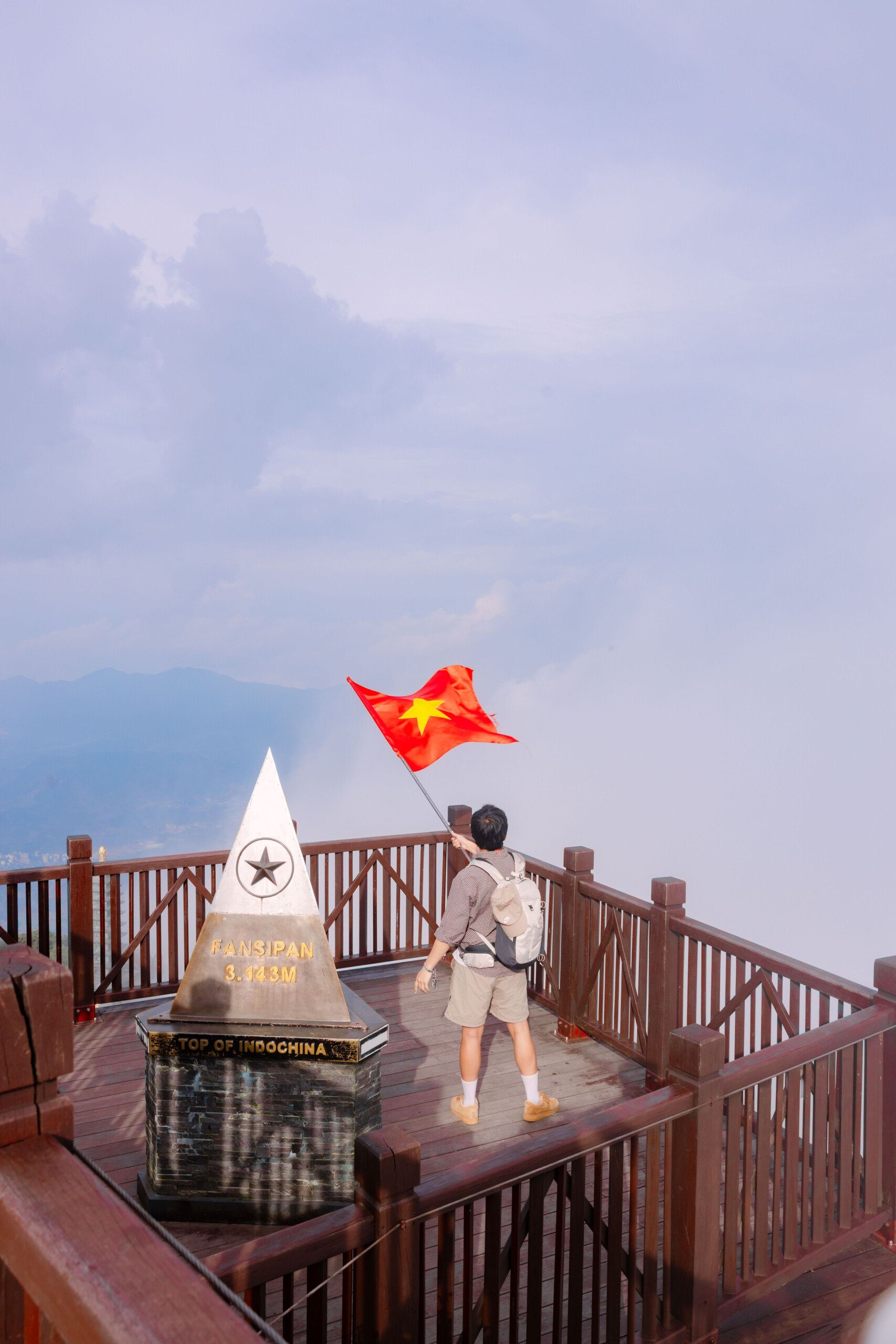
There is a profound psychological difference between stepping out of a climate-controlled cable car cabin and pulling yourself over the final rocky ridge after hours of grueling climbing. Reaching the stainless-steel summit pyramid on foot evokes an overwhelming sense of personal accomplishment that money cannot buy.
2. Immersion in Rare Alpine Biodiversity
The slopes of Mount Fansipan are protected within the Hoang Lien Son National Park, an ASEAN Heritage Park renowned for its incredible biological richness. As you ascend through distinct elevation zones, you will hike beneath ancient dwarf bamboo forests, century-old rhododendron trees, rare wild orchids, and moss-draped cloud forests that cable car passengers only see as a distant green blur from above.
3. Genuine Cultural Connections with Local Indigenous Guides
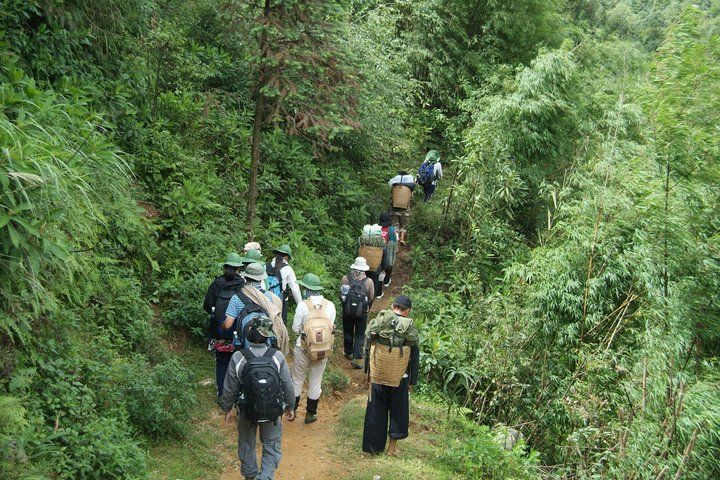
A non-cable car expedition connects you directly with native Black H’Mong guides and porters born and raised in Sapa’s high-altitude hamlets. Walking alongside these expert mountaineers gives you unparalleled insight into mountain folklore, herbal medicine, traditional survival skills, and daily highland life.
4. Bypassing Commercial Crowds along Secret Mountain Trails
While the summit station can become congested with day-trippers, the wilderness trails surrounding Fansipan remain tranquil, quiet, and unspoiled. For 95% of your trek, the only sounds you will hear are mountain winds rustling through bamboo, roaring mountain streams, and the songs of native high-altitude birds.
Detailed Breakdown of Fansipan Trekking Routes
There are three primary trekking routes to conquer Mount Fansipan, ranging in physical difficulty, technical terrain, and overall duration. Depending on your fitness level and time availability, Vietnam Local Adventures tailors the ideal path for your private expedition.
See more: 2 days Tours – Fansipan Trekking
Route 1: Tram Ton Pass (The Classic & Safest Route)
- Total Distance: Approx. 22–24 km (round trip)
- Starting Elevation: 1,900 meters (Tram Ton Pass)
- Highest Elevation: 3,147 meters
- Difficulty Level: Moderate to Challenging
- Recommended Duration: 2 Days / 1 Night (or 1 Intensive Day for elite athletes)
Trail Character: Tram Ton Pass is the most popular, well-maintained, and direct route to the summit. Starting at the highest mountain pass in Vietnam (1,900 meters), this trail minimizes total vertical elevation gain while offering scenic river crossings, lush bamboo tunnels, and structured campsites at 2,200 meters and 2,800 meters.
Why Choose Tram Ton: It provides the safest, most accessible trail for first-time high-altitude trekkers, families with teenagers, or travelers with limited time who still want an authentic, non-cable car mountain conquest.
Route 2: Sin Chai Village (The Steep & Technical Route)
- Total Distance: Approx. 20 km
- Starting Elevation: 1,260 meters (Sin Chai Village)
- Highest Elevation: 3,147 meters
- Difficulty Level: Advanced & Highly Demanding
- Recommended Duration: 2 Days / 1 Night or 3 Days / 2 Nights
Trail Character: Starting much lower than Tram Ton at Sin Chai Village (a quiet Black H’Mong hamlet), this trail is notoriously steep, rugged, and physically taxing. Trekkers must navigate unpaved dirt tracks, climb near-vertical rock slabs using fixed ladders and ropes, and haul themselves up through dense bamboo thickets.
Why Choose Sin Chai: Designed for experienced trekkers seeking a rigorous technical challenge with maximum wilderness solitude and breathtaking ridge-line scenery far away from standard tourist tracks.
Route 3: Cat Cat Village (The Longest & Most Scenic Wilderness Trail)
- Total Distance: Approx. 34–38 km
- Starting Elevation: 1,200 meters (Cat Cat Village)
- Highest Elevation: 3,147 meters
- Difficulty Level: Extreme / Endurance Expedition
- Recommended Duration: 3 Days / 2 Nights
Trail Character: The Cat Cat route is the ultimate wilderness marathon. Traversing the entire eastern flank of the Hoang Lien Son range, this trail features dramatic altitude fluctuations, deep valley descents, multiple river crossings, and sweeping ridge walks with panoramic views of the entire Muong Hoa Valley.
Why Choose Cat Cat: Perfect for seasoned wilderness backpackers who want a multi-day immersion in untouched mountain ecosystems, rich cultural interactions with remote hamlets, and maximum physical conditioning.
Classic 2-Day / 1-Night Fansipan Trekking Itinerary (Tram Ton Route)
To give you a clear picture of what an authentic Fansipan trekking tour looks like, here is a detailed breakdown of our premier 2-Day / 1-Night private expedition:
Day 1: Sapa Town – Tram Ton Pass – 2,800m Base Camp
- 07:30 AM: Enjoy a nourishing breakfast in Sapa town. Meet your private English-speaking trekking guide and H’Mong porter team for a comprehensive safety briefing and gear check.
- 08:30 AM: Board a private vehicle for a scenic 30-minute drive up the winding mountain pass to Tram Ton Ranger Station (1,900m), where official national park trekking permits are registered.
- 09:00 AM: Step onto the trail! Begin hiking through lush subtropical rainforests, following the crystal-clear waters of the Golden Stream (Suoi Vang).
- 12:30 PM: Stop at the 2,200-meter resting point for a delicious, freshly prepared picnic lunch packed by our culinary team—featuring grilled chicken, sticky rice, fresh cucumbers, seasonal fruits, and local mountain tea.
- 01:30 PM: Continue the uphill climb as the landscape transitions into dense dwarf bamboo and high-altitude coniferous forests. Negotiate occasional wooden ladders and rocky staircases carved into the mountain.
- 04:30 PM: Arrive at the 2,800-meter Base Camp. Settle into sheltered wooden sleeping huts equipped with insulated sleeping pads and heavy thermal sleeping bags.
- 06:30 PM: Gather around the camp kitchen for a feast cooked by your H’Mong porters—enjoying hot lemongrass pork, stir-fried mountain greens, ginger chicken, tofu, and fragrant Jasmine rice, capped off with hot green tea or homemade corn wine.
- 08:30 PM: Stargaze under pristine, unpolluted night skies before getting a good night’s rest.
Day 2: 2,800m Base Camp – Fansipan Summit (3,147m) – Descent to Sapa
- 03:30 AM: Wake up early in the crisp mountain air. Enjoy a warm breakfast of hot noodle soup (Pho), porridge, and strong Vietnamese drip coffee.
- 04:15 AM: Strap on your headlamps and begin the final summit push! Hike along narrow crests and rocky ridges under the blanket of stars.
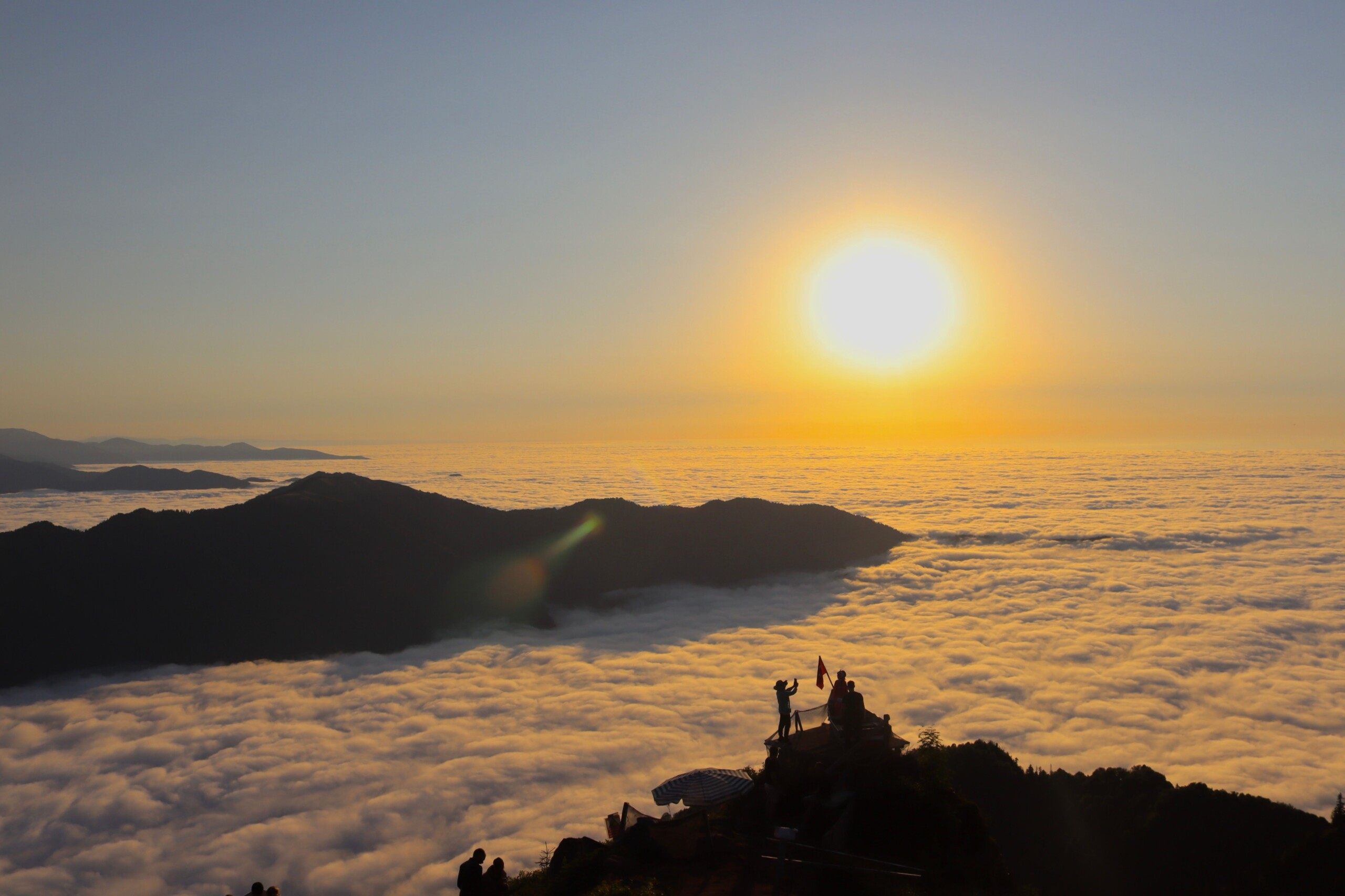
- 06:30 AM: Reach the magnificent summit of Mount Fansipan (3,147m) just as dawn breaks! Stand atop the stainless-steel pyramid, watching the golden morning sun illuminate a vast sea of clouds floating over northwestern Vietnam.
- 08:00 AM: Take ample time for victory photographs, exploring the high-altitude Buddhist temples (such as the Great Buddha Statue and Bich Van Zen Monastery) perched on the cliffs.
- 09:00 AM: Begin the rewarding descent back down to the 2,800-meter camp for a short rest and warm snack.
- 10:30 AM: Continue descending through the changing forest layers back toward Tram Ton Pass.
- 02:00 PM: Reach Tram Ton Ranger Station, where your private driver awaits. Receive your official Fansipan Medal and Conquest Certificate issued by Vietnam Local Adventures!
- 03:00 PM: Return to Sapa town for a well-deserved Red Dao herbal bath and celebratory dinner.
See more: 3 Days in Sapa
Physical Fitness and Mental Preparation
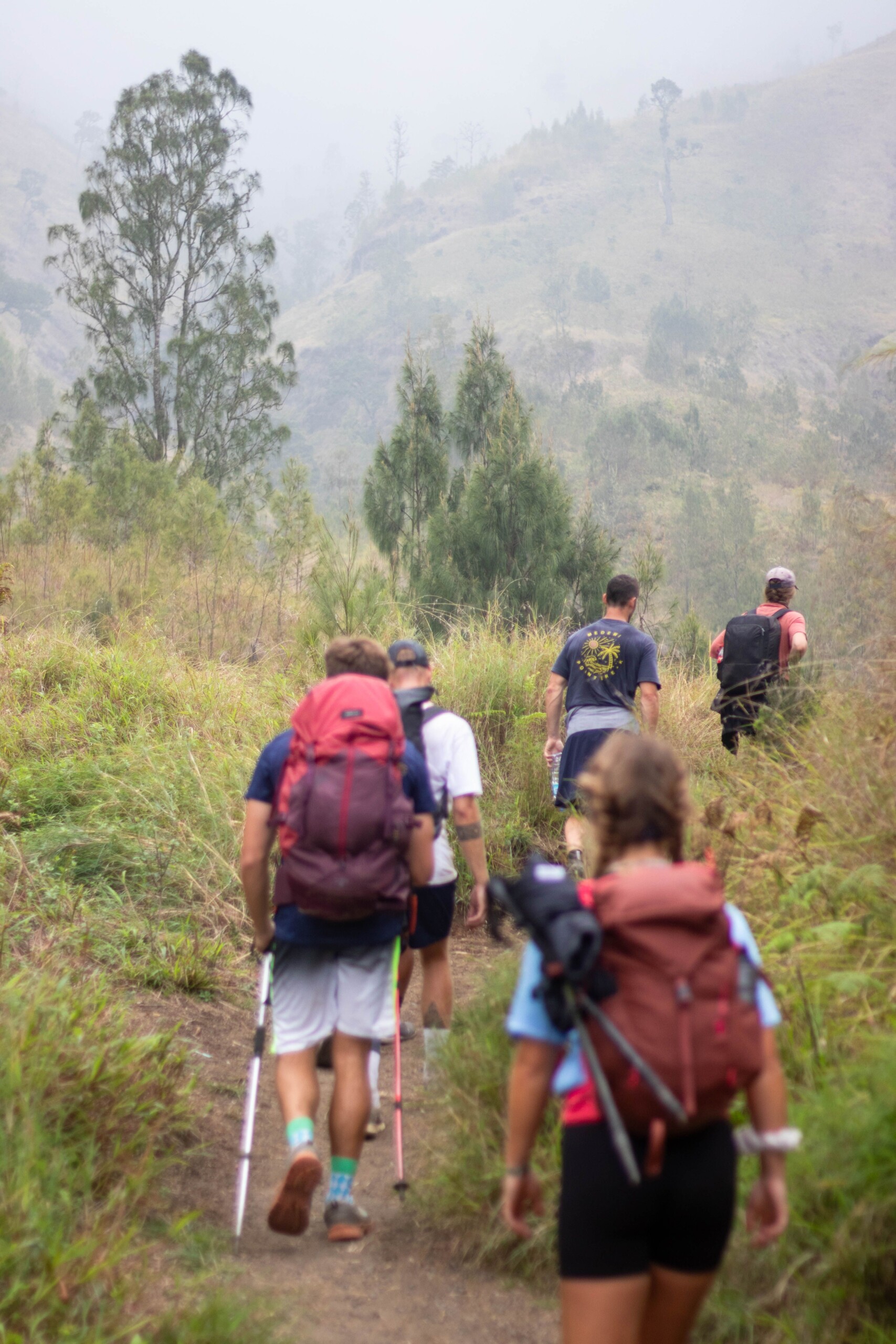
Conquering Mount Fansipan without relying on a cable car is a physically demanding endeavor that requires stamina, core strength, joint stability, and mental fortitude.
Essential Physical Requirements
- Cardiovascular Endurance: You will be hiking continuously for 6 to 9 hours per day with consistent vertical elevation gains exceeding 1,000 meters. Incorporate running, cycling, swimming, or stair-master workouts into your routine at least 4 to 6 weeks before your trip.
- Leg Strength & Joint Resilience: The trail involves thousands of uneven stone steps, steep incline climbs, and high-impact downhill descents. Focus on squats, lunges, calf raises, and step-ups with a weighted backpack.
- Core & Balance: Technical sections require pulling yourself up ladders and stepping across narrow ridges. Core exercises like planks and mountain climbers improve balance on slick wet rocks.
Navigating Altitude & Weather Challenges
At 3,147 meters, altitude sickness (AMS) is generally mild, but thin air, lower oxygen levels, and rapid atmospheric temperature drops can cause light headaches or fatigue. Stay hydrated by drinking at least 3 liters of water daily, maintain a steady pacing rhythm, and never rush your ascents.
Essential Gear Packing List for Fansipan Trekkers
Proper gear can make the difference between an exhilarating mountain conquest and a miserable, freezing hike. Here is the mandatory packing checklist curated by our head expedition guides:
Clothing & Footwear
- Technical Trekking Boots: High-cut or mid-cut waterproof hiking boots with deep rubber lugs (Vibram soles recommended) to grip wet rocks and muddy bamboo tracks.
- Layering System (3-Layer Rule):
- Base Layer: Moisture-wicking synthetic or merino wool long-sleeve shirts (avoid cotton, which retains sweat and causes hypothermia).
- Insulating Layer: Lightweight fleece jacket or down jacket for cold evenings at base camp (temperatures can drop below freezing from November to February).
- Outer Shell: Breathable, 100% waterproof Gore-Tex jacket and rain pants to shield against mountain mists and rain.
- Trekking Pants: Quick-dry, stretchable hiking trousers.
- Socks: 3 pairs of thick merino wool trekking socks.
- Warm Accessories: Thermal beanie, light fleece gloves, and a neck gaiter (buff).
Technical Gear & Personal Items
- Daypack (20L–30L): Lightweight backpack with rain cover to carry your water, camera, rain jacket, and snacks.
- Trekking Poles: Highly recommended! Dual adjustable trekking poles drastically reduce knee impact during steep descents.
- Headlamp: Essential for the early morning summit push (minimum 300 lumens with spare batteries).
- Hydration System: Reusable 1.5L water bottle or hydration bladder plus electrolyte hydration tablets.
- Personal First-Aid & Toiletries: Sunscreen (SPF 50+), lip balm, personal medications, blister plasters (Compeed), wet wipes, and hand sanitizer.
See more: 20-Day Vietnam Grand Expedition
Seasonal Guide: When to Book Your Fansipan Trekking Tour
Sapa experiences dramatic seasonal weather changes. Choosing the right month ensures optimal trail conditions, clear summit views, and comfortable temperatures.
March to May (Spring – Clear Skies & Blooming Rhododendrons)
- Temperature: Mild days (15°C to 22°C), cool nights (8°C to 12°C).
- Trail Conditions: Dry, comfortable, with excellent visibility.
- Highlights: High-altitude rhododendron flowers (Hoa Do Quyen) bloom across mountain cliffs in brilliant red, pink, and yellow hues, making spring one of the most visually breathtaking seasons for a Fansipan trekking tour.
September to November (Autumn – Golden Terraces & Cloud Hunting)
- Temperature: Crisp, dry days (12°C to 18°C), cold nights (4°C to 8°C).
- Trail Conditions: Low rainfall, stable atmosphere, crystal-clear skies.
- Highlights: Autumn offers the absolute best weather for high-altitude trekking. In September, Sapa’s lower valleys glow with golden ripe rice terraces, while October and November bring spectacular “cloud hunting” season (săn mây), where valleys fill with dense white cloud carpets below the summit.
December to February (Winter – Frost, Cloud Seas & Rare Snow)
- Temperature: Cold (0°C to 10°C), with summit temperatures frequently dropping below 0°C.
- Trail Conditions: Damp, misty, with occasional sub-zero frost or snow on high peaks.
- Highlights: Ideal for extreme winter trekkers seeking atmospheric cloud seas, dramatic mist, and cozy campfire evenings at base camp. Warm arctic gear is mandatory.
June to August (Summer – Lush Greens & Summer Showers)
- Temperature: Warm (20°C to 28°C in valleys, cooler on peaks).
- Trail Conditions: Frequent afternoon monsoons make trails muddy and slick.
- Highlights: Lush green vegetation and roaring mountain waterfalls, best suited for experienced trekkers accustomed to wet conditions.
Sustainable and Responsible Mountaineering Principles
Preserving the wild beauty of Hoang Lien Son National Park requires strict adherence to Leave No Trace principles. At Vietnam Local Adventures, we are committed to sustainable eco-tourism:
- Zero Waste Trail Policy: Everything carried onto the mountain must be carried off. Our guides and porters carry dedicated trash bags to collect all food wrappers, plastic bottles, and organic waste. We encourage guests to bring reusable water containers.
- Fair Wages & Ethical Treatment for Indigenous Porters: Our Black H’Mong porters are local partners who make every expedition possible. We enforce strict maximum pack-weight limits, provide high-quality cold-weather gear and sleeping setups, and pay fair, above-market wages.
- Respecting Local Culture & Sacred Spaces: Fansipan’s forests hold deep animist spiritual meaning for local ethnic communities. We ask all trekkers to stay on established footpaths, avoid picking wild plants, and show respect at high-altitude Buddhist sanctuaries.
Begin Your Ultimate Fansipan Conquest Today!
Are you ready to step off the beaten track and earn your summit conquest? Contact Vietnam Local Adventures today to begin customizing your private Fansipan trekking tour!