
Blog, Vietnam Travel Blog
Unlock your Secret Vietnam traditional festivals for Spectacular Culture
Vietnam is a land steeped in millennia of vibrant history, deep spiritual reverence, and rich communal traditions. For international travelers seeking authentic cultural immersion, participating in Vietnam traditional festivals offers an unprecedented window into the nation’s soul. Across every region—from the misty northern mountain valleys and red-river deltas to the coastal heritage towns and palm-fringed waterways of the south—these festive gatherings bring ancient folklore, ancestral rituals, colorful folk arts, and community bonding to life.
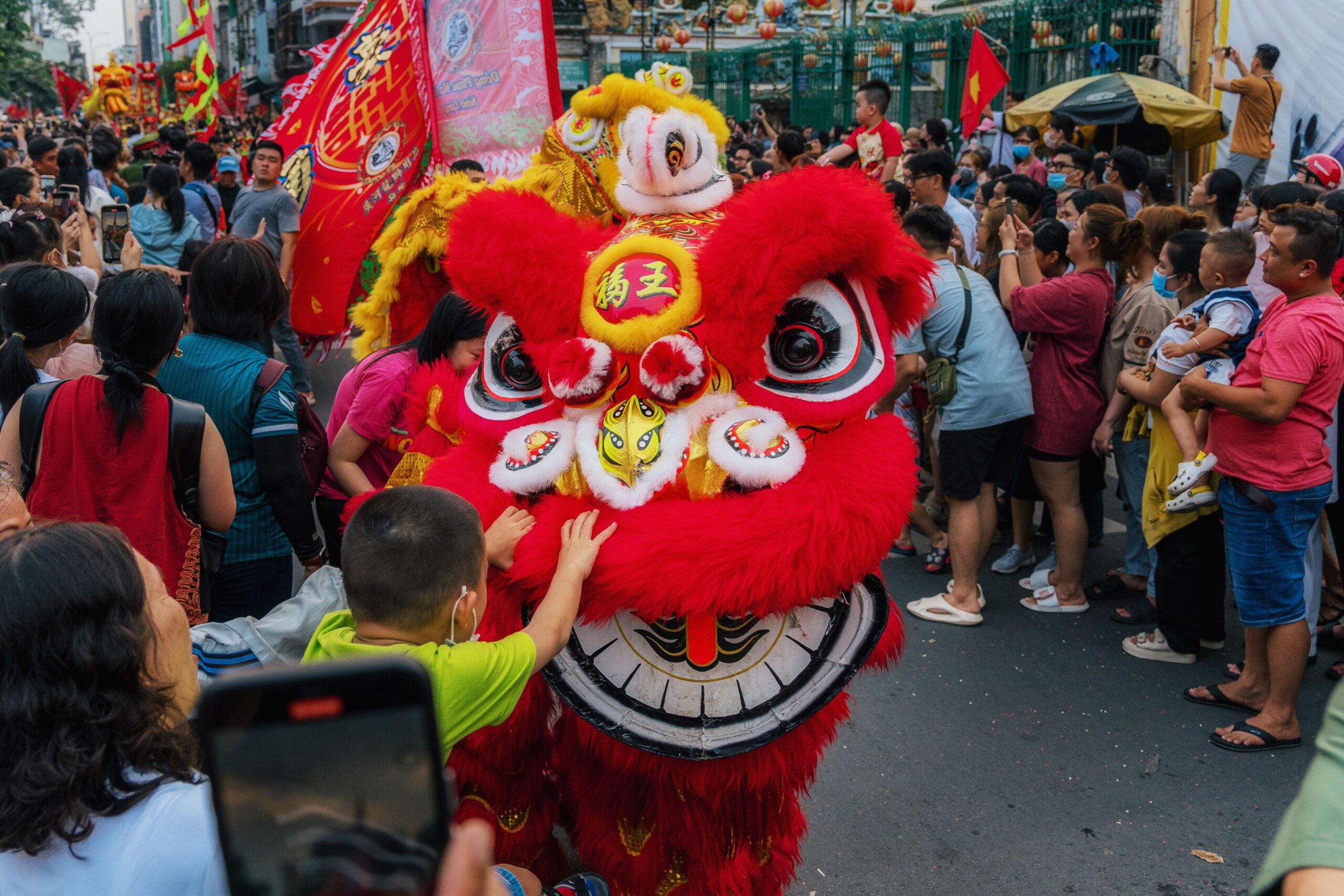
At Vietnam Local Adventures, we specialize in guiding cultural explorers beyond surface-level sightseeing to experience the heart of local celebrations. Planning your journey around key Vietnam traditional festivals allows you to witness centuries-old ritual processions, taste ceremonial cuisine, watch traditional folk performances, and share joyful moments with local communities. This comprehensive guide covers everything you need to know about celebrating Vietnam traditional festivals, featuring major national holidays, seasonal celebrations, regional cultural highlights, travel etiquette, and practical tips for an unforgettable cultural journey.
The Spiritual and Social Significance of Vietnam Traditional Festivals
To truly appreciate the magic of these cultural gatherings, one must understand their deep-rooted spiritual and social importance within Vietnamese society. Participating in Vietnam traditional festivals is not merely about entertainment; it is an essential expression of communal harmony and spiritual gratitude.
Here are the core cultural pillars that define Vietnam traditional festivals:
- Ancestral Reverence and Gratitude: Most Vietnam traditional festivals center around paying homage to founding national heroes, village guardian deities (Thành Hoàng), agricultural gods, and family ancestors, expressing gratitude for peace, health, and bountiful harvests.
- Communal Cohesion and Unity: Festivals serve as an annual reunion where villagers return to their ancestral hamlets, reinforcing family ties, social solidarity, and shared cultural identity across generations.
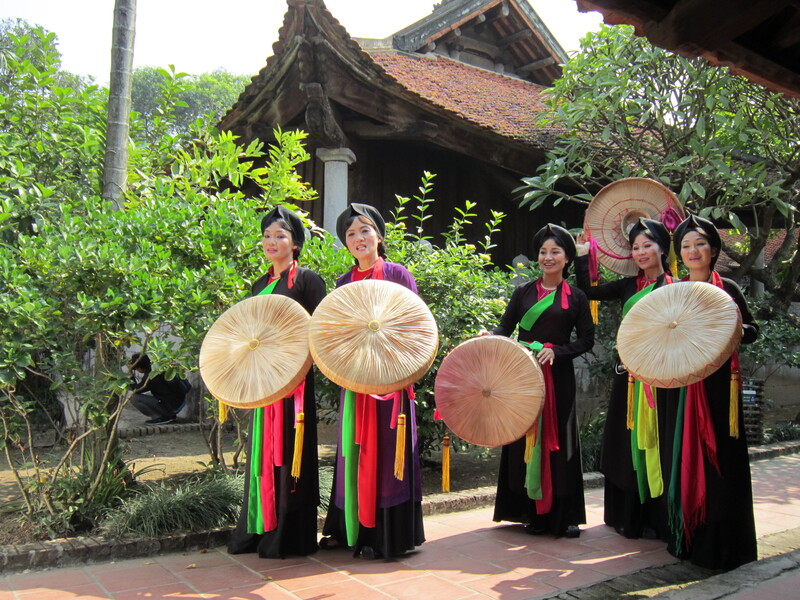
- Preservation of Living Folk Arts: From traditional water puppetry and Quan Họ folk singing to dragon dances and martial arts demonstrations, Vietnam traditional festivals serve as active living stages that keep ancient artistic traditions alive.
- Harmony with Agricultural Seasons: Vietnam’s festival calendar is closely aligned with the lunar agricultural cycle—celebrating spring planting, autumn harvests, full moon tides, and changing seasonal weather.
See more: A Day of Craft and Culture: Incense Village, Hats, and Lacquer Art
Major Nationwide Vietnam Traditional Festivals
While thousands of local village celebrations take place throughout the year, several major Vietnam traditional festivals hold nationwide significance and are celebrated with immense fervor across the entire country.
1. Tet Nguyen Dan (Vietnamese Lunar New Year)
As the most sacred and important celebration among all Vietnam traditional festivals, Tet marks the arrival of spring based on the lunar calendar (typically occurring between late January and mid-February).
- Cultural Spirit: Tet is a time of renewal, family reunions, ancestral worship, and clean slates. Homes are decorated with pink peach blossoms (Hoa Đào) in the north, yellow apricot blossoms (Hoa Mai) in the south, and vibrant kumquat trees.
- Festive Traditions: Preparing traditional sticky rice cakes (Bánh Chưng and Bánh Tét), giving red envelopes filled with lucky money (Lì Xì) to children and elders, and visiting temples to pray for peace and prosperity in the new year.
- Travel Atmosphere: While cities quiet down during the first three days as families celebrate privately at home, the pre-Tet flower market preparations and post-Tet temple fairs offer extraordinary cultural spectacles for travelers experiencing Vietnam traditional festivals.
2. Mid-Autumn Festival (Tết Trung Thu)
Celebrated on the 15th day of the 8th lunar month (September or October) under the brightest full moon of the year, Tết Trung Thu is one of the most colorful and joyful Vietnam traditional festivals, particularly cherished by children.
- Cultural Spirit: Historically an agricultural celebration marking the completion of the autumn harvest, it evolved into a beloved children’s festival centered around family warmth and moon gazing.
- Festive Highlights: Vibrant street parades featuring lion and dragon dances, children carrying glowing carp and star-shaped paper lanterns, and sharing delicious mooncakes (Bánh Nướng and Bánh Dẻo) filled with lotus seeds, salted egg yolk, and candied fruit.
See more: Hanoi Street Food Walking Tour – A 3-Hour Culinary Adventure
Iconic Regional Vietnam Traditional Festivals
Beyond nationwide holidays, each geographical region boasts unique Vietnam traditional festivals deeply tied to local geography, ethnic heritage, and regional legends.
1. Northern Vietnam: Sacred Heritage and Ancient Temple Fairs
Northern Vietnam, the historic cradle of Vietnamese civilization, is famous for grand temple festivals held during the spring months following Tet.
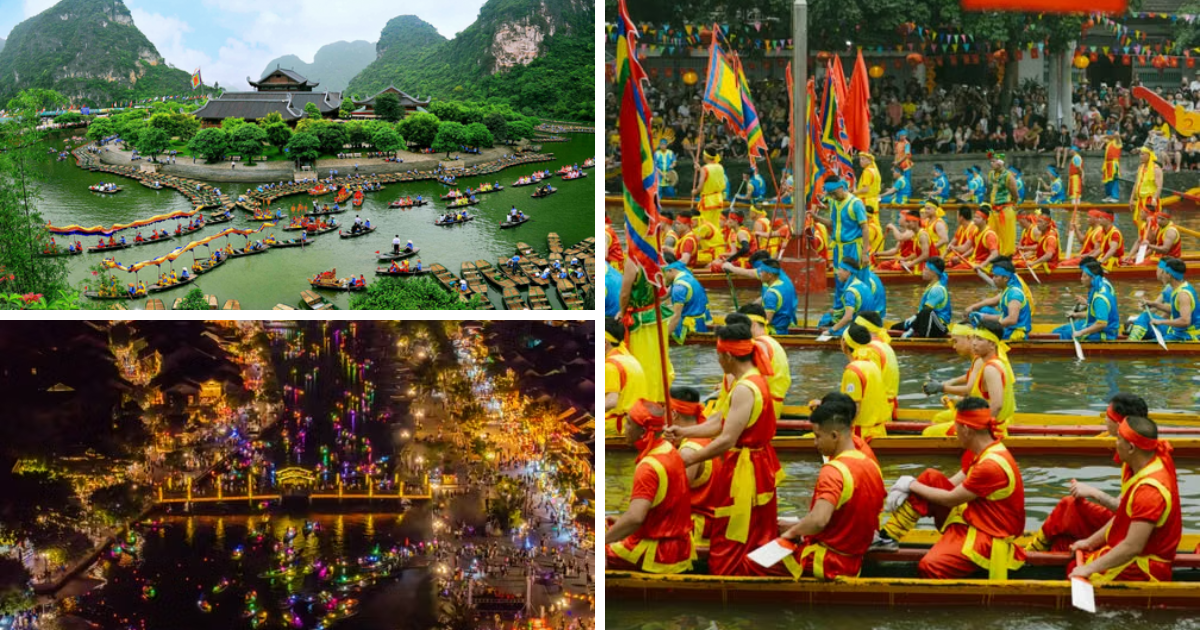
- Perfume Pagoda Festival (Lễ Hội Chùa Hương): Spanning three months from the 6th day of the 1st lunar month, this is one of the largest pilgrimage-based Vietnam traditional festivals. Thousands of pilgrims travel along the scenic Yen Stream aboard rowboats through karst landscapes to reach sacred limestone mountain caves.
- Hung Kings Temple Festival (Lễ Hội Đền Hùng): Held in Phu Tho Province on the 10th day of the 3rd lunar month, this national holiday honors the legendary founding fathers of the Vietnamese nation with solemn processions, ancient bronze drum performances, and traditional folk games.
- Lim Festival (Lễ Hội Hội Lim): Celebrated in Bac Ninh Province on the 13th day of the 1st lunar month, this vibrant gathering showcases UNESCO-recognized Quan Họ folk singing, where male and female singers perform duets on dragon boats and temple courtyards in exquisite traditional attire.
- Giong Temple Festival (Lễ Hội Đền Gióng): Held in Soc Son (Hanoi), this UNESCO Intangible Cultural Heritage festival commemorates Saint Giong, a legendary hero who defended the nation, featuring elaborate wooden palanquin processions and ritual flag performances.
2. Central Vietnam: Imperial Majesty and Lantern Illumination
Central Vietnam combines royal imperial ceremonies with coastal maritime traditions, offering sophisticated visual displays for travelers exploring Vietnam traditional festivals.
- Hue Festival and Imperial Heritage Celebrations: Held biennially in the ancient imperial capital of Hue, this grand cultural event recreates Nguyen Dynasty royal court ceremonies, royal music (Nhã Nhạc), imperial banquets, and international art performances across historical citadel courtyards.
- Hoi An Lantern Festival (Lễ Hội Đèn Lồng Hội An): Celebrated on the 14th night of every lunar month when the ancient town turns off electric lights, Hoi An transforms into a fairytale world illuminated entirely by thousands of glowing silk lanterns, floating paper lamps on the Hoai River, and street folk music.
- Cau Ngu Whale Worship Festival (Lễ Hội Cầu Ngư): Coastal fishing communities across Central Vietnam gather annually to pay respect to the Sacred Whale (Cá Ông), praying for calm seas, safe voyages, and abundant seafood harvests through colorful boat processions and folk theater.
3. Southern Vietnam: Floating Culture and Ethnic Harmony
Southern Vietnam’s festive landscape reflects a rich blend of Khmer, Cham, and Kinh cultural traditions integrated into the watery ecosystems of the Mekong Delta.
- Ok Om Bok Festival (Khmer Moon Worship Festival): Celebrated by the Khmer community in Soc Trang and Tra Vinh during the full moon of the 10th lunar month, this festival features thrilling Ngo boat races (Đua Ghe Ngo) along river canals, lantern launches into the sky, and offerings of flattened roasted sticky rice (Cốm Dẹp).
- Bavia Lady Temple Festival (Lễ Hội Vía Bà Chúa Xứ): Held at Sam Mountain in An Giang Province, millions of pilgrims travel to pray at the shrine of the sacred mountain goddess during the 4th lunar month, making it one of the largest spiritual Vietnam traditional festivals in the south.
Traditional Activities and Folk Games to Experience
Part of the joy of participating in Vietnam traditional festivals is observing or joining in ancient interactive folk games and performance arts that bring communities together in shared laughter and competition.
- Water Puppetry (Múa Rối Nước): An ancient northern agricultural art form where puppeteers manipulate wooden figures over water pools, enacting scenes of village life, rice farming, dragon dances, and historical legends.
- Human Chess (Cờ Người): A captivating tactical game played on giant courtyards where human players dressed in traditional martial or royal costumes represent the chess pieces on the board.
- Bamboo Pole Dancing (Nhảy Sạp): A joyful ethnic folk dance where participants hop gracefully between rhythmically clapping bamboo poles, accompanied by traditional drums and gongs.
- Swinging (Đánh đu): High bamboo swing frames set up in village courtyards during spring festivals where young men and women swing high into the sky in friendly competition.
- Rice Cooking Competitions (Thi Nấu Cơm): Competitions where teams must start fires using natural flint and bamboo, carry water over obstacles, and cook fragrant rice within strict time limits.
See more: Cultural Treasures: Tho Ha, Bo Da Pagoda, and Phu Lang Experience
Essential Etiquette for Experiencing Vietnam Traditional Festivals
When attending sacred and communal Vietnam traditional festivals, practicing respectful cultural etiquette ensures positive interactions and honors local spiritual customs.
- Dress Modestly at Sacred Sites: When visiting ancient temples, pagodas, or communal houses (Đình) during Vietnam traditional festivals, wear clothing that covers shoulders and knees. Remove hats and sunglasses before stepping inside main prayer halls.
- Be Mindful with Photography: Always ask politely before taking close-up portraits of elderly pilgrims, monks, or festival participants. Avoid using flash photography near sacred altars or during solemn prayer rituals.
- Respect Sacred Offerings and Statues: Do not touch sacred statues, ancestral altars, or ritual palanquins. Avoid stepping on elevated wooden thresholds when entering temple doorways.
- Prepare Small Change for Donations: If you wish to make a small merit offering at temple altars, prepare small denomination bills (10,000 to 50,000 VND) to place neatly in donation boxes or on offering trays.
- Embrace Communal Crowds with Patience: Major Vietnam traditional festivals draw enthusiastic local crowds. Maintain a warm smile, exhibit patience in busy areas, and enjoy the vibrant communal energy.
Recommended 7-Day Northern Festival & Cultural Heritage Itinerary
Here is a curated 7-day cultural itinerary designed by Vietnam Local Adventures to showcase the absolute finest spring Vietnam traditional festivals:
Day 1: Arrival in Hanoi – Historic Old Quarter Cultural Walk
- 09:00 AM: Arrive in Hanoi; check into your hotel near Hoan Kiem Lake.
- 02:00 PM: Guided walking tour through the 36 Old Quarter streets, visiting ancient communal houses and watching a traditional water puppet show.
- 07:00 PM: Welcome dinner featuring Hanoi culinary specialties like Chả Cả and egg coffee.
Day 2: Perfume Pagoda Day Expedition (Lễ Hội Chùa Hương)
- 07:30 AM: Private transfer south toward Bac Ninh and My Duc.
- 09:30 AM: Board a traditional wooden rowboat along Yen Stream, surrounded by limestone karst peaks.
- 11:30 AM: Ascend to Huong Tich Cave aboard the cable car, witnessing thousands of pilgrims participating in one of the most sacred Vietnam traditional festivals.
- 05:00 PM: Return to Hanoi for a restful evening.
Day 3: Bac Ninh Heritage & Lim Quan Ho Folk Festival
- 08:30 AM: Drive northeast to Bac Ninh Province, the heartland of Quan Họ folk music.
- 10:00 AM: Immerse yourself in the Lim Festival; watch singers in traditional costumes perform duets on dragon boats.
- 01:00 PM: Enjoy a traditional lunch with a local artisan family; learn about ancient bamboo folk games.
- 04:00 PM: Visit Dong Ho Folk Painting village to observe natural woodblock printing traditions.
Day 4: Scenic Transit to Ninh Binh Karst Valleys
- 08:00 AM: Depart Hanoi for the ancient royal capital of Hoa Lu in Ninh Binh Province.
- 10:30 AM: Explore 10th-century temples dedicated to Emperor Dinh Tien Hoang and Emperor Le Dai Hanh.
- 02:00 PM: Take a peaceful sampan boat ride through the floating caves of Trang An, observing local riverside shrines during spring Vietnam traditional festivals.
- 06:30 PM: Overnight stay at a peaceful countryside eco-lodge.
Day 5: Ninh Binh Rural Village Exploration & Craft Workshops
- 08:30 AM: Bicycle ride through quiet lotus fields and agricultural hamlets, passing water buffaloes and ancient stone pagodas.
- 01:30 PM: Participate in a hands-on stone carving or embroidery workshop with local village masters.
- 05:00 PM: Sunset relaxation overlooking limestone karst peaks.
Day 6: Return to Hanoi & Evening Culinary Festival Tour
- 09:00 AM: Leisurely breakfast; private return transfer to Hanoi.
- 02:00 PM: Visit the Temple of Literature (Văn Miếu), Vietnam’s first national university, observing students taking part in spring calligraphy rituals.
- 06:00 PM: Evening street food festival walk, tasting seasonal festival treats and sticky rice dishes.
Day 7: Farewell & Cultural Souvenir Shopping
- 09:00 AM: Morning visit to local handicraft markets to pick up handmade silk lanterns, lacquerware, or traditional tea.
- 12:00 PM: Farewell lunch and transfer to Noi Bai International Airport, concluding your inspiring journey through Vietnam traditional festivals.
See more: Perfume Making Workshop
Conclusion: Immerse Yourself in the Soul of Vietnam
Attending Vietnam traditional festivals is far more than a simple holiday activity—it is a soul-stirring journey into the living heritage, spiritual devotion, and joyful communal spirit of a remarkable country. From watching dragon boats glide across misty rivers to holding glowing silk lanterns under a full moon and hearing ancient folk songs echo through temple courtyards, these authentic celebrations create memories that last a lifetime.
Ready to experience Vietnam’s rich cultural tapestry firsthand? Let Vietnam Local Adventures customize your private festival itinerary with expert local guides, seamless private transfers, and insider access to authentic village celebrations. Contact our travel team today and begin your unforgettable cultural adventure!