
Blog, Vietnam Travel Blog
Unlock the Secret Vietnamese street food culture for Thrilling Bites
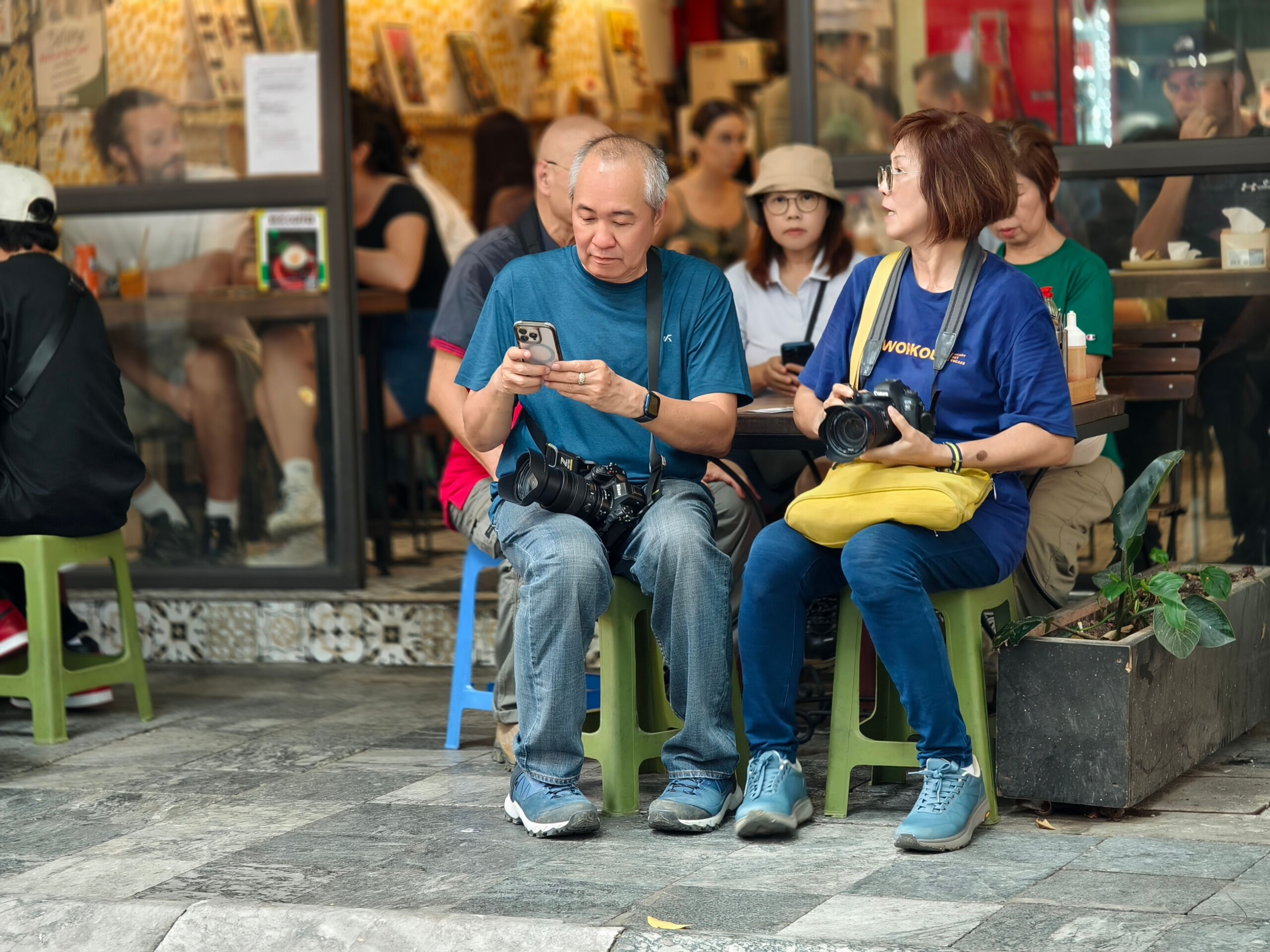
For international travelers visiting Southeast Asia, experiencing Vietnamese street food culture is widely regarded as one of the most vibrant, delicious, and unforgettable sensory journeys on Earth. From the historic, narrow alleys of Hanoi and the royal imperial kitchens of Hue to the energetic, sun-drenched night markets of Ho Chi Minh City, the country’s culinary soul thrives on open-air sidewalks. Sitting on tiny plastic stools, surrounded by sizzling woks, fragrant herbs, and the humming rhythm of passing motorbikes, eating on the street is far more than a convenient meal—it is a communal way of life that bridges social classes, preserves heritage recipes, and celebrates fresh, organic ingredients.
At Vietnam Local Adventures, we believe that food is the ultimate gateway to understanding local identity. Delving deep into authentic Vietnamese street food culture allows travelers to go beyond standard restaurant menus and uncover the complex historical influences, geography, and regional philosophies that shape Vietnamese cuisine. This comprehensive guide explores the unique characteristics of street dining across Northern, Central, and Southern Vietnam, offering practical dining etiquette, must-try regional specialties, health tips, and insider food tour recommendations.
The Core Philosophy of Vietnamese Street Food Culture
To truly appreciate dining on Vietnamese sidewalks, one must understand the culinary harmony that governs every bowl and plate. Vietnamese street food culture is deeply rooted in ancient philosophies that balance flavor, texture, nutrition, and temperature.
- The Five Elements Balance (Yin and Yang): Vietnamese cooks masterfully balance the five fundamental taste senses—spicy (metal), sour (wood), bitter (fire), sweet (earth), and salty (water). Dishes are carefully designed to balance hot (warming) and cold (cooling) properties. For instance, rich duck meat (cooling) is traditionally paired with ginger fish sauce (warming) to maintain digestive equilibrium.
- Abundance of Fresh Herbs and Greens: Unlike heavy Western sauces, Vietnamese street food culture relies heavily on baskets of raw, freshly picked herbs like Vietnamese coriander, rice paddy herb, mint, Thai basil, and perilla leaves. These herbs provide clean, aromatic layers that elevate simple street dishes.
- Textural Contrast: Every bite offers a harmonious interplay of soft, crunchy, crispy, and chewy textures. A classic crispy Banh Mi baguette features a crunchy crust filled with tender braised pork, smooth pate, crisp pickled daikon, and fresh cucumber slices.
- Communal and Inclusive Vibe: Street stalls are non-pretentious equalizer spaces. Corporate executives in tailored suits sit side-by-side with motorbike drivers and university students on low plastic stools, sharing the exact same condiment jars and steaming noodle bowls.
See more: Hidden Gems Hanoi’s Streetfood Tour
Regional Breakdown: Exploring Street Food Across Vietnam
While iconic dishes like Pho and Banh Mi are enjoyed nationwide, Vietnam’s distinct geography creates three distinct culinary zones. Understanding these regional shifts is essential for mastering Vietnamese street food culture.
1. Northern Vietnam: Subtle Elegance, Tradition, and Delicate Balance
Northern Vietnamese street dining reflects the historic heritage of Hanoi and surrounding agricultural river deltas. Because of cooler winter climates, northern cooks favor subtle, clean, and balanced flavors that highlight the natural essence of primary ingredients without overwhelming the palate with heavy spices or coconut milk.
Iconic Northern Street Dishes:
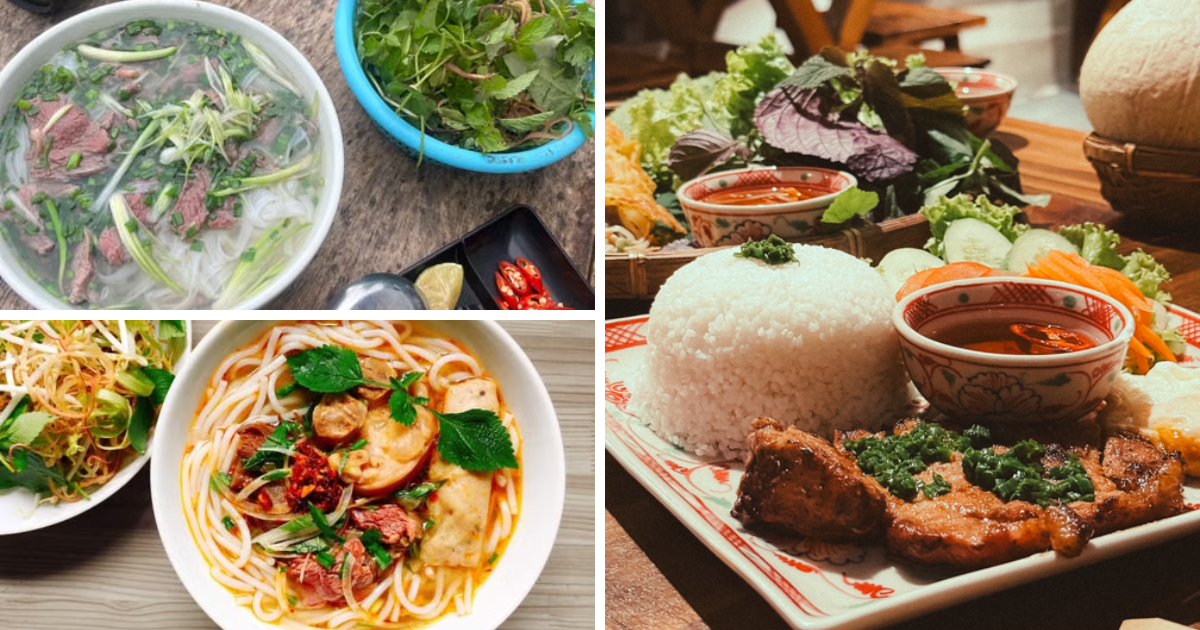
- Pho Bac (Northern Beef Noodle Soup): Unlike its sweeter southern counterpart, northern Pho features a clear, deeply fragrant marrow broth seasoned delicately with charred ginger, star anise, and cinnamon, served with wide rice noodles and tender beef cuts.
- Bun Cha Hanoi: Charcoal-grilled pork patties and pork belly served over soft rice vermicelli noodles, fresh herb platters, and a light, warm dipping sauce made from fish sauce, green papaya, and rice vinegar.
- Banh Cuon (Steamed Rice Rolls): Delicate, paper-thin sheets of fermented rice batter steamed over fabric, rolled with seasoned minced pork and wood ear mushrooms, topped with crispy fried shallots.
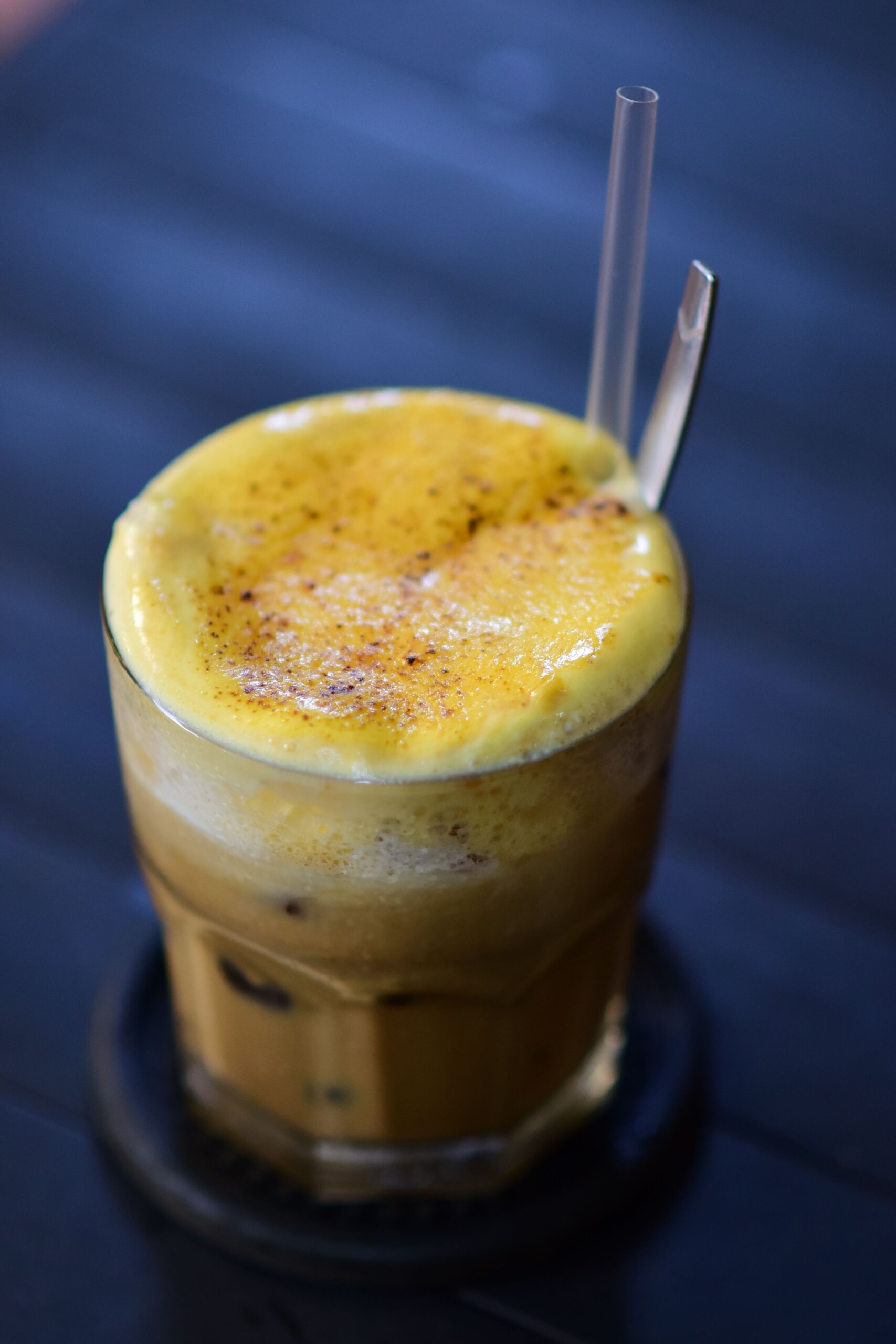
- Egg Coffee (Ca Phe Giang): A legendary Hanoi street creation featuring rich Vietnamese robusta drip coffee topped with a creamy, whipped sabayon-like foam made from egg yolk and condensed milk.
See more: Hanoi’s Street Food Tour
2. Central Vietnam: Bold Spices, Royal Heritage, and Intense Flavors
Central Vietnam’s dramatic coastlines and historical status as the seat of the Nguyen Dynasty in Hue created a bold, complex street dining landscape. Central Vietnamese street food culture is celebrated for its spicy chili pastes, rich shrimp pastes, intricate small-plate presentation, and complex layers of flavor.
Iconic Central Street Dishes:
- Bun Bo Hue: A rich, spicy, and deeply aromatic beef and pork noodle soup infused with lemongrass, shrimp paste (Mam Tom), chili oil, and tender beef shank, served with thick round rice noodles.
- Cao Lau (Hoi An’s Signature Noodles): Chewy, thick wheat noodles soaked in ash water from local Cham wells, topped with tender slices of five-spice roasted pork (Xa Xiu), crispy rice crackers, and fresh local greens.
- Banh Beo and Banh Loc: Delicate steamed rice cakes served in tiny ceramic saucers, topped with savory dried shrimp, crispy pork rinds, scallion oil, and sweet chili-infused fish sauce.
- Mi Quang: Turmeric-tinted rice noodles served in a concentrated, savory broth with quail eggs, pork belly, shrimp, crushed peanuts, and crispy sesame rice crackers (Banh Trang).
3. Southern Vietnam: Sweetness, Abundance, and Tropical Flair
Blessed with tropical sunshine, fertile Mekong Delta soil, and extensive coastlines, Southern Vietnamese street food culture reflects warmth, generosity, and tropical abundance. Southern dishes feature sweeter flavor profiles, generous use of coconut milk, fresh chili, and expansive baskets of tropical herbs.
Iconic Southern Street Dishes:
- Banh Xeo (Southern Crispy Pancakes): Large, golden turmeric-infused rice batter crepes filled with shrimp, pork belly, and bean sprouts, sizzled to a crispy finish in hot woks and wrapped in fresh mustard greens before dipping in sweet chili fish sauce.
- Hu Tieu Nam Vang: A hearty, versatile noodle soup featuring clear pork broth, chewy tapioca or rice noodles, shrimp, minced pork, quail eggs, and fresh Chinese celery.
- Com Tam (Broken Rice): A quintessential Saigon street staple featuring broken rice grains topped with charcoal-grilled marinated pork chops (Suon Nuong), steamed egg meatloaf (Cha Trang), shredded pork skin, scallion oil, and sweet garlic-chili fish sauce.
- Banh Mi Saigon: The southern evolution of the French baguette, packed generously with pork liver pate, cold cuts, mayonnaise, pickled carrots, daikon, fresh cilantro, and sliced bird’s-eye chilies.
See more: Food Tour by Motorbike – A Culinary Adventure in Ho Chi Minh City
Essential Sidewalk Etiquette: How to Eat Like a True Local
Navigating busy street stalls for the first time can feel intimidating to international travelers. Mastering these simple local customs ensures a seamless, authentic experience within Vietnamese street food culture.
- Finding the Best Stalls: Look for street vendors packed with local families and busy motorbikes. High turnover guarantees that ingredients are fresh, hot, and prepared continuously.
- The Plastic Stool Culture: Grab an open plastic stool and take a seat. At busy stalls, sharing tables with strangers is standard practice—simply smile and enjoy the communal atmosphere.
- Customizing Your Dish: Condiment caddies on every table hold lime wedges, fresh bird’s-eye chilies, garlic vinegar, chili sauce, and fish sauce. Adjust seasonings to match your personal taste preference.
- Handling Chopsticks and Spoons: Clean your chopsticks and spoons with paper napkins provided at the table before eating. Use your non-dominant hand to hold the soup spoon while your dominant hand works the chopsticks.
- Managing Trash: Discard used napkins, lime rinds, and herb stems in small waste bins positioned under the table, keeping your eating surface clean.
- Paying the Bill: When finished, attract the vendor’s attention by saying “Em oi, tinh tien” (Excuse me, check please). Payment is almost always cash-only in small notes (VND).
Food Safety and Health Tips for Street Dining
Concerns about digestive health should never prevent you from enjoying authentic Vietnamese street food culture. Following these practical, time-tested food safety guidelines guarantees a safe culinary adventure.
- Choose Stalls Cooked to Order: Select vendors who fry, boil, or grill ingredients fresh right in front of you. Piping hot broths and sizzling meats eliminate harmful bacteria naturally.
- Inspect the Water and Ice: In major Vietnamese cities, commercially produced ice cubes with hollow tubular shapes are made from purified water and are perfectly safe to consume. Avoid crushed block ice in remote rural villages.
- Observe Herb Washing Practices: Look for stalls that rinse their fresh herb baskets thoroughly under running water. If you have a sensitive stomach, stick to cooked greens and boiling noodle soups during your first few days.
- Drink Bottled or Fresh Coconut Water: Pair street meals with fresh, chilled coconuts opened directly in front of you or cold canned green tea (Tra Da).
See more: Hanoi Street Food Walking Tour
Iconic Street Food Street Hubs Across Vietnam
To experience the very best of Vietnamese street food culture, make sure to visit these legendary culinary streets during your travels:
- Hanoi: Ta Hien Street (Old Quarter), Dong Xuan Market Alleys, Ngo Dong Xuan, and Ly Quoc Su Street.
- Hue: Dong Ba Market, Han Thuyen Street (famous for midnight soup stalls), and Vo Thi Sau Pedestrian Street.
- Hoi An: Hoi An Central Market, Tran Phu Street, and the Night Market along the Hoai River.
- Ho Chi Minh City: Vinh Khanh Street (famous for street seafood and snail stalls), Nguyen Trai Street (Banh Mi heaven), and Su Vanh Hanh Street.
Recommended 3-Day Regional Culinary Itinerary
Here is a curated foodie itinerary designed by Vietnam Local Adventures to help you experience the full spectrum of Vietnamese street food culture:
Day 1: Exploring Hanoi’s Historic Sidewalks
- 08:00 AM: Breakfast Pho Ga (Chicken Noodle Soup) at a historic Old Quarter sidewalk stall.
- 11:30 AM: Lunch Bun Cha cooked over glowing charcoal briquettes on Hang Quat Street.
- 03:00 PM: Afternoon coffee tasting featuring authentic Egg Coffee at Cafe Giang.
- 06:30 PM: Evening street food walking tour sampling Banh Cuon, Nom Bo Kho (Green Papaya Dried Beef Salad), and fresh draft beer (Bia Hoi) on Ta Hien Street.
Day 2: Central Flavors in Hue & Hoi An
- 08:00 AM: Spicy Bun Bo Hue breakfast by the Perfume River in Hue.
- 01:00 PM: Afternoon transit to Hoi An; sample Cao Lau noodles in the central market.
- 06:30 PM: Evening riverbank walk sampling Banh Vac (White Rose Dumplings) and crispy Banh Xeo pancakes.
Day 3: Southern Saigon Street Feasts
- 08:00 AM: Breakfast Com Tam (Broken Rice with Grilled Pork Chop) in District 1.
- 12:00 PM: Lunch Hu Tieu Nam Vang in a bustling street alley.
- 04:30 PM: Afternoon Banh Mi tasting on Nguyen Trai Street.
- 07:30 PM: Farewell street seafood feast on Vinh Khanh Street, enjoying grilled lemongrass snails, garlic butter prawns, and cold local beer.
Conclusion: Embrace the Sidewalk Magic with Vietnam Local Adventures
Immersing yourself in Vietnamese street food culture is an unforgettable celebration of life, community, and culinary mastery. From the delicate, aromatic broths of Hanoi to the fiery chili-infused dishes of Hue and the sweet tropical abundances of Saigon, every sidewalk stool invites you to experience the true heart and soul of Vietnam.
Ready to taste the real Vietnam? Let Vietnam Local Adventures guide your culinary journey with private street food walking tours, insider market excursions, and authentic cooking classes led by passionate local food guides. Contact our adventure team today and start eating like a true local!