
Blog, Vietnam Travel Blog
Unlock your Secret Vietnamese coffee culture tour for Spectacular Moments
Vietnamese Coffee Culture Explained: From Phin to Plantations
Vietnam is a global powerhouse when it comes to coffee production, standing proudly as the world’s second-largest coffee exporter and the undisputed king of Robusta beans. However, behind those massive export figures lies a rich, passionate, and deeply atmospheric daily ritual that defines social life across every city, town, and rural village. Participating in an immersive Vietnamese coffee culture tour is not merely about enjoying a morning caffeine boost—it is an enchanting journey into history, agricultural mastery, social connection, and sensory innovation.
At Vietnam Local Adventures, we believe that discovering a nation’s culture requires engaging all five senses. Embarking on a guided Vietnamese coffee culture tour with our expert local guides takes you far beyond generic tourist cafes. From visiting lush volcanic plantations in the Central Highlands to mastering slow-drip metal filters (phin) in hidden Hanoi alleyways and Saigon pavement cafes, this comprehensive guide explains everything you need to know about the art, history, and experience of Vietnamese coffee.
The Rich History Behind Vietnamese Coffee
To fully appreciate the magic of a Vietnamese coffee culture tour, one must understand how a foreign bean brought by French colonists in the 19th century evolved into a uniquely Vietnamese cultural phenomenon.
- 19th-Century Colonial Roots: French priests first introduced Coffea arabica plants to Vietnam in 1857. Recognizing the ideal climate and rich red basaltic soil of the Central Highlands, extensive plantations were established around Buon Ma Thuot and Da Lat.
- The Rise of Robusta: Because Arabica plants were susceptible to local leaf rust disease, farmers shifted focus to hardy Coffea canephora (Robusta). Robusta flourished in the tropical climate, offering a bold, dark, nutty, and highly caffeinated flavor profile that became the backbone of local roasting traditions.
- Adapting Through Shortages: During historical wartime resource shortages, fresh milk was extremely scarce. Local baristas creatively substituted fresh dairy with sweetened condensed milk, giving birth to the legendary Ca Phe Sua Da (Iced Coffee with Sweetened Condensed Milk).
- Modern Specialty Revolution: Today, a contemporary Vietnamese coffee culture tour showcases a exciting fusion of traditional street-side filter brews and innovative third-wave specialty roasters cultivating high-altitude fine Arabica and Robusta beans.
See more: Hidden Gems Hanoi’s Streetfood Tour
Why Book a Vietnamese Coffee Culture Tour?
While you can easily order a cup of coffee on any sidewalk stool in Vietnam, booking a curated Vietnamese coffee culture tour unlocks an authentic, insider understanding of what makes this culture thrive.
- Farm-to-Cup Transparency: A specialized Vietnamese coffee culture tour takes you directly into the agricultural heartlands of Da Lat and Buon Ma Thuot, where you can walk through green coffee fields, harvest ripe red cherries, and observe processing methods.
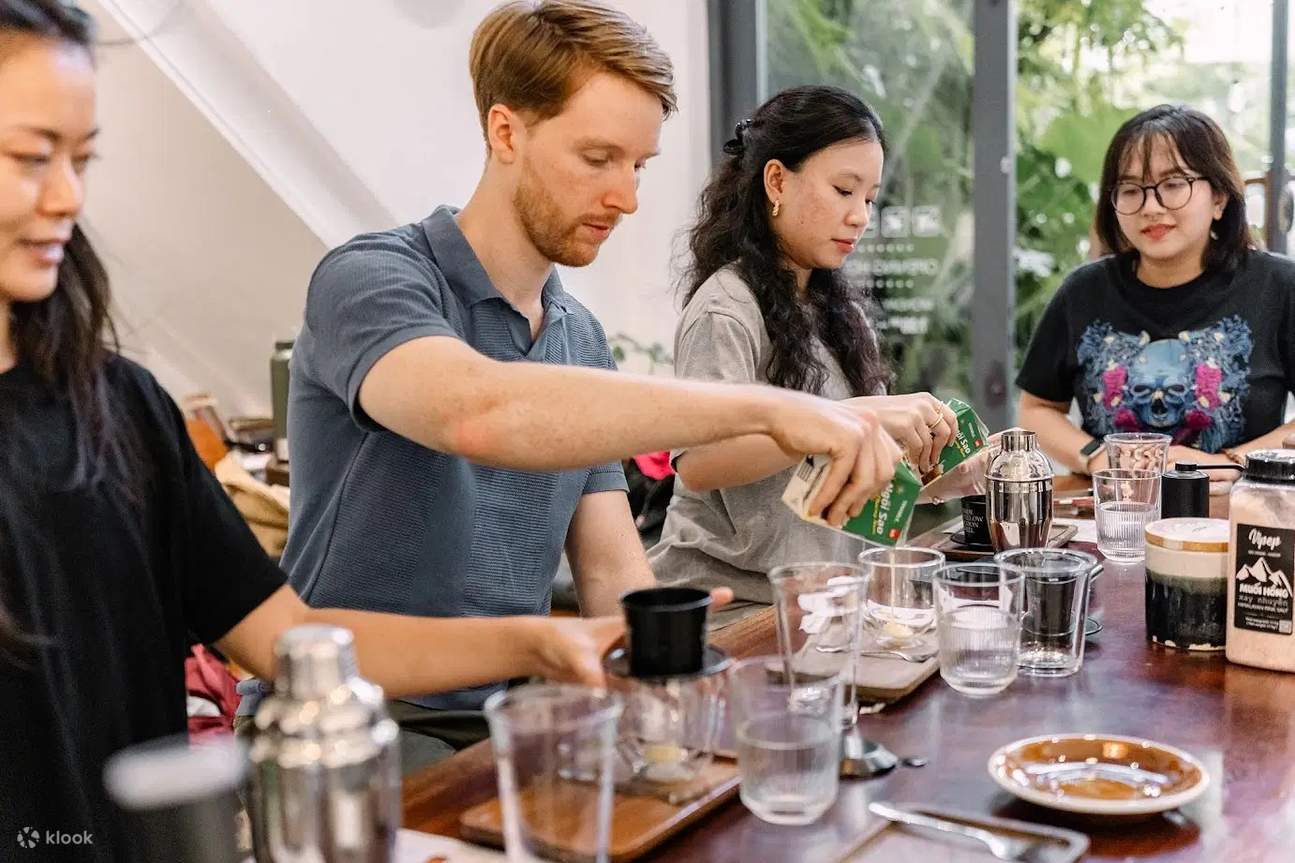
- Mastering the Art of the Traditional Phin: Learn the precise water temperatures, grind sizes, and pressing techniques required to brew a perfect cup using the iconic small metal drip filter (Phin).
- Exploring Unique Regional Variations: From Hanoi’s famous egg coffee and coconut slushy coffee to Saigon’s iced milk coffee and Hue’s salty cream brew, a Vietnamese coffee culture tour introduces your palate to diverse regional flavor profiles.
- Uncovering Hidden Local Cafes: Skip commercial chains and step into hidden 100-year-old heritage cafes tucked away inside French colonial apartments, secret gardens, and narrow alleyways.
Regional Destinations on a Vietnamese Coffee Culture Tour
Vietnam’s geographic diversity creates distinct coffee experiences across the country. Here are the top regions featured on an authentic Vietnamese coffee culture tour.
1. Buon Ma Thuot: The Coffee Capital of Vietnam
Located in Dak Lak province in the Central Highlands, Buon Ma Thuot is the undisputed nerve center of Vietnamese Robusta production.
- Plantation Visits: Walk through vast volcanic basalt plantations, learning how local farmers cultivate, hand-pick, and sun-dry Robusta beans.
- The World Coffee Museum: Discover ancient coffee brewing artifacts from around the globe showcased in striking architecture inspired by traditional ethnic Ede longhouses.
- Authentic Tasting Sessions: A highlight of any agricultural Vietnamese coffee culture tour in Buon Ma Thuot is sampling pure, unblended Robusta brewed over open flames.
2. Da Lat: The High-Altitude Arabica Heaven
Nestled in the mist-shrouded southern highlands at 1,500 meters above sea level, Da Lat offers cool alpine temperatures perfect for growing high-grade Arabica beans.
- Cau Dat Coffee Hill: Tour high-elevation farms where Bourbon, Typica, and Catimor Arabica varieties thrive.
- Artisanal Processing Mills: Observe wet washing, honey processing, and natural sun-drying methods used by eco-conscious specialty farmers.
- Panoramic Hilltop Cafes: Sip single-origin drip coffee while overlooking sweeping pine forests and misty agricultural valleys during your Vietnamese coffee culture tour.
See more: Michelin Hanoi’s Street Food Tour
3. Hanoi: Vintage Heritage and Creative Innovations
Hanoi’s coffee scene is steeped in history, nostalgia, and artistic culinary experimentation.
- Sidewalk “Ca Phe Coc”: Sit on low wooden stools under ancient banyan trees around Hoan Kiem Lake, sipping slow-dripped black coffee while watching city rhythms unfold.
- Ca Phe Giang & Egg Coffee (Ca Phe Luong): Visit the birthplace of egg coffee, where rich espresso is topped with a velvety, whipped sabayon foam made from egg yolks and condensed milk.
- Hidden Colonial Apartments: Discover secret speakeasy-style cafes hidden behind silk shops and up winding stone staircases inside 19th-century French villas.
4. Ho Chi Minh City: Fast-Paced Energy and Street Culture
In vibrant Saigon, coffee is an all-day social lubricant consumed at high speeds on energetic street corners.
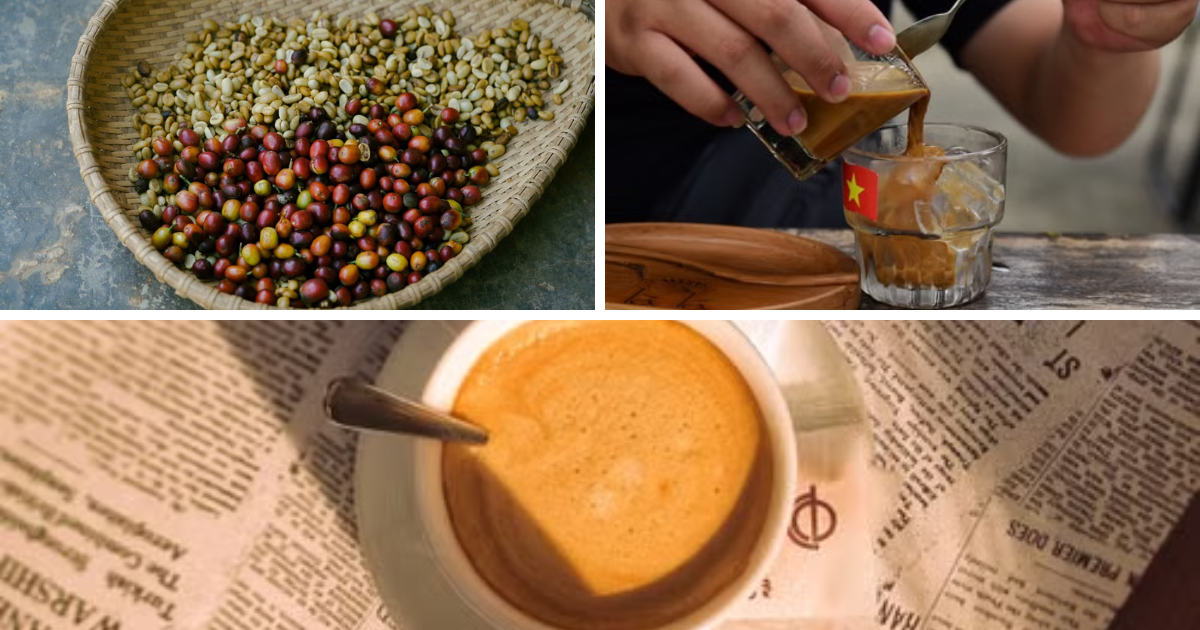
- Ca Phe Bệt (Park Bench Coffee): Experience youth street culture by sitting on newspapers around September 23rd Park, enjoying iced milk coffee from mobile cart vendors.
- Classic Ca Phe Sua Da: Taste the quintessential Saigon brew—intense Robusta poured over generous crushed ice and sweet condensed milk to combat afternoon tropical heat.
- Third-Wave Specialty Roasters: Explore modern industrial roasteries pioneering direct-trade specialty Vietnamese beans during an urban Vietnamese coffee culture tour.
How the Traditional Phin Drip Filter Works
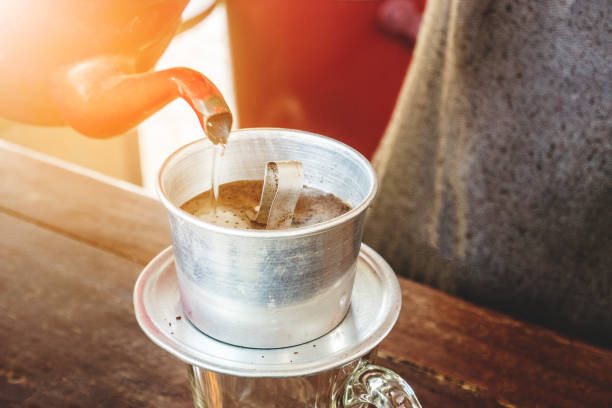
At the heart of every authentic Vietnamese coffee culture tour is the traditional Phin—a small, four-piece stainless steel or aluminum drip chamber that sits directly atop a drinking glass.
- The Ground Coffee: Coarsely ground dark-roasted Robusta (often roasted with a touch of butter or cocoa) is placed inside the chamber.
- The Gravity Press: A perforated metal insert press is gently laid over the grounds to ensure even water distribution without compacting the coffee too tightly.
- The Bloom Phase: A small splash of boiling water (around 92°C to 96°C) is poured over the grounds to allow the coffee to “bloom” and release aromatic oils for 30 seconds.
- The Slow Drip: Hot water is filled to the brim. Over 4 to 6 minutes, dark liquid slowly drips drop-by-drop through the filter into a glass containing a layer of condensed milk.
Technical Equipment & Coffee Tasting Guidelines
To fully appreciate the sensory nuances during your Vietnamese coffee culture tour, keep these tasting guidelines in mind:
- Observe the Crema and Aroma: Pure Robusta produces a deep hazelnut crema with heavy aromas of dark chocolate, toasted nuts, and subtle woody spice.
- Stir Mindfully: When drinking Ca Phe Sua Da, use your spoon to thoroughly blend the thick condensed milk layer with the dark espresso before pouring over ice.
- Control Your Caffeine Intake: Traditional Vietnamese Robusta contains roughly double the caffeine content of standard Arabica beans. Drink plenty of water throughout your Vietnamese coffee culture tour to stay hydrated and balanced!
See more: Private Food Tour by Motorbike
Ethical and Sustainable Coffee Tourism Practices
At Vietnam Local Adventures, we are deeply committed to sustainable and fair-trade tourism principles. Participating in an eco-friendly Vietnamese coffee culture tour ensures local farming communities benefit directly.
- Support Fair-Trade Farming Cooperatives: We visit small family plantations that practice organic shade-grown agriculture, fair wages, and sustainable water management.
- Promote Plastic-Free Tastings: We encourage reusable glass jars, bamboo straws, and stainless steel filters to minimize single-use plastic waste during our tours.
- Preserve Cultural Heritage: Our tours support historic family-owned cafes that have preserved traditional roasting and brewing heritage across generations.
Sample 3-Day Ultimate Vietnamese Coffee Culture Tour Itinerary
Here is a curated itinerary designed by Vietnam Local Adventures combining high-altitude plantations with urban heritage cafe walks:
Day 1: Hanoi Heritage & Egg Coffee Masterclass
- 08:30 AM: Walking exploration of Hanoi’s French Quarter; visit historic sidewalk Ca Phe Den stalls.
- 10:30 AM: Private hands-on workshop learning to whip authentic Egg Coffee at a family-owned Old Quarter studio.
- 02:00 PM: Secret alleyway tour discovering hidden garden cafes inside historic 1920s French apartments.
- 05:00 PM: Sunset tasting of refreshing Coconut Slushy Coffee overlooking West Lake.
Day 2: Flight to Da Lat – High-Altitude Arabica Exploration
- 08:00 AM: Morning flight from Hanoi to Da Lat; check into an alpine eco-resort.
- 10:30 AM: Guided trek through Cau Dat Arabica coffee hill; harvest ripe coffee cherries with local farmers.
- 01:30 PM: Visit an artisanal processing mill to observe honey and wet processing methods.
- 04:30 PM: Sunset cupping session evaluating single-origin Arabica varieties with a master roaster.
Day 3: Saigon Urban Street Culture & Salt Coffee
- 09:00 AM: Morning flight to Ho Chi Minh City; jump right into a street food and coffee scooter tour.
- 11:30 AM: Experience Ca Phe Bet culture in central Saigon parks alongside local students.
- 02:30 PM: Sample authentic Central-style Salted Cream Coffee (Ca Phe Muoi) at a hidden District 3 courtyard.
- 05:30 PM: Conclude your Vietnamese coffee culture tour with a modern craft coffee cocktail at a sleek rooftop lounge.
See more: Hanoi Street Food Walking Tour
Conclusion: Taste the Authentic Soul of Vietnam
Embarking on a Vietnamese coffee culture tour is an unforgettable sensory adventure that connects you with the history, soil, and vibrant human spirit of Vietnam. From watching mist rise over high-altitude Da Lat plantations to savoring a velvety egg coffee in a quiet Hanoi alleyway, every sip tells a story of passion, craftsmanship, and community.
Ready to awaken your senses? Partner with Vietnam Local Adventures to design your customized Vietnamese coffee culture tour led by passionate local experts. Contact our travel team today and begin your ultimate coffee journey through Vietnam!