
Blog, Vietnam Travel Blog
Unlock the Ultimate Vietnam photography spots for Thrilling Views
Vietnam is an extraordinary visual tapestry where majestic mountain landscapes, emerald rice terraces, ancient heritage towns, and colorful ethnic cultures converge. For travel photographers, visual storytellers, and portrait enthusiasts, searching for the finest Vietnam photography spots is an enchanting journey into one of Southeast Asia’s most diverse nations. With 54 distinct ethnic groups, each boasting unique traditional attires, architectural styles, and cultural customs, documenting this rich heritage requires thoughtful planning and an insider’s understanding of geography.
At Vietnam Local Adventures, we believe that travel photography is more than just capturing scenic frames—it is about respectful cultural exchange and authentic storytelling. Whether you are aiming your lens at the mist-shrouded limestone peaks of Ha Giang, the vibrant weekend markets of Bac Ha, or the sun-drenched coastal fishing villages of the south, identifying key Vietnam photography spots allows you to capture raw, compelling narratives. This comprehensive guide details the most stunning destinations, optimal lighting seasons, technical advice, and ethical guidelines for documenting Vietnam’s ethnic diversity.
Why Capturing Ethnic Diversity Defines Great Vietnam Photography
While modern cities like Hanoi and Ho Chi Minh City present energetic street-life frames, exploring highland regions to document ethnic minority life elevates your portfolio to international standards. The cultural wealth found across remote Vietnam photography spots offers endless inspiration for visual creators.
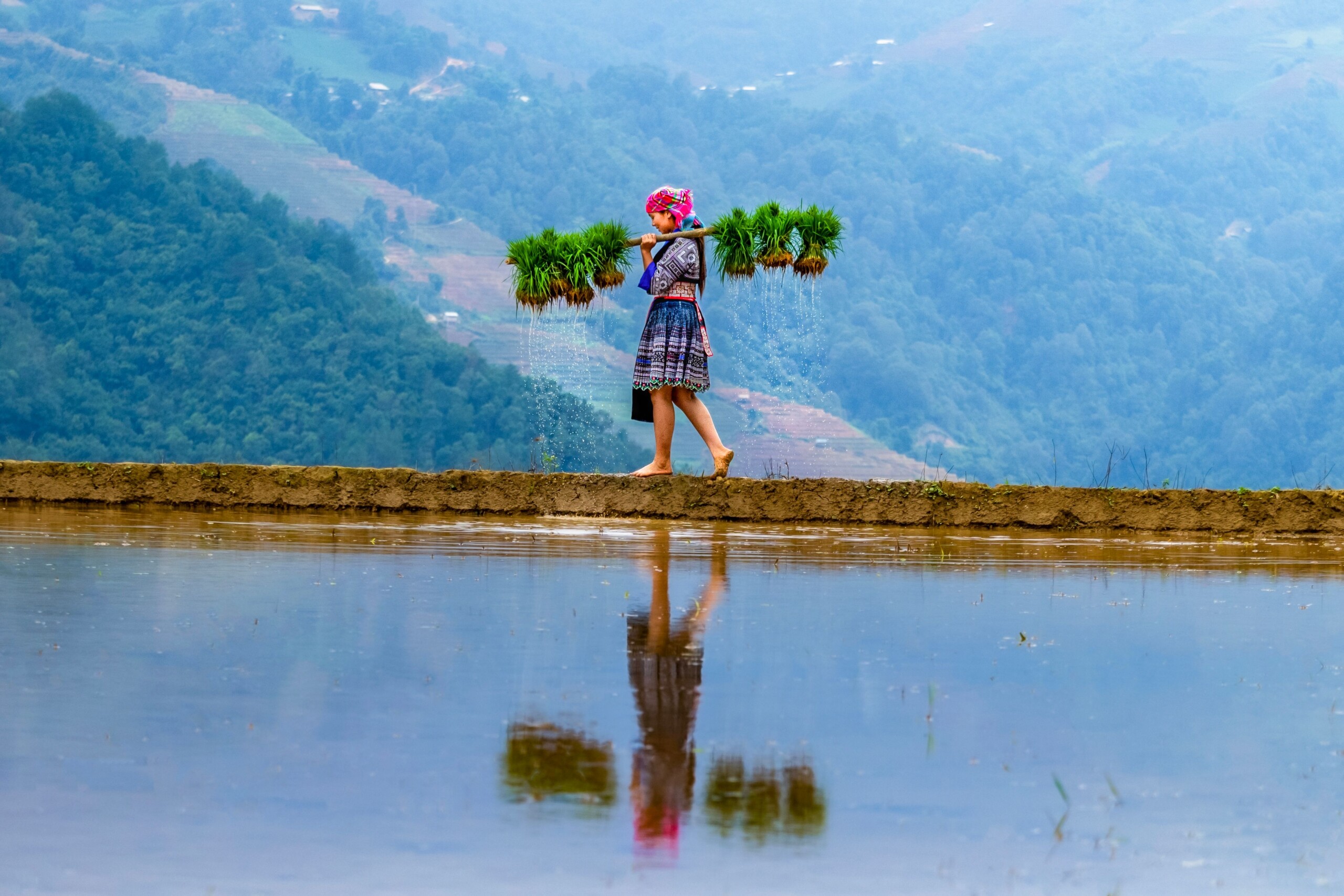
- Vibrant Visual Contrast: Ethnic groups such as the Flower Hmong, Red Dao, Black Hmong, Tay, and Cham wear intricately woven textiles featuring bright indigo dyes, elaborate embroidery, and silver headpieces. Setting these vibrant garments against dramatic green mountain backdrops creates captivating compositions.
- Authentic Everyday Rhythms: Visiting highland Vietnam photography spots grants access to traditional ways of life—from hand-weaving linen on wooden looms and cultivating steep hillside terraces to gathering at historic mountain markets.
- Geographical Splendor: The most culturally rich Vietnam photography spots are situated within Vietnam’s most spectacular natural environments, including UNESCO Global Geoparks, cascading waterfalls, and deep limestone canyons.
- Preserving Living History: Many traditional customs and hand-woven attires are evolving rapidly. Capturing these moments across hidden Vietnam photography spots serves as a vital visual record of living heritage for future generations.
Top Northern Vietnam Photography Spots for Ethnic Culture and Landscapes
The northern mountain region is undisputedly the crown jewel for cultural landscape photographers. Here are the essential Vietnam photography spots you must include in your expedition.
1. Ha Giang Geopark: Karst Monoliths and Hmong Heritage
Ha Giang stands as the ultimate frontier for adventurous photographers. Known for its dramatic Dong Van Karst Plateau and the winding Ma Pi Leng Pass, this region offers unparalleled opportunities for landscape and portrait photography.
- Key Shooting Locations: The iconic Ma Pi Leng Pass, Tu San Canyon, Sung La Valley (famous for traditional Hmong earthen houses), and the Dong Van Sunday Market.
- Cultural Highlights: You will encounter the Hmong, Tay, Lolo, and Pu Peo ethnic groups. The contrast between bright ethnic attire and dark grey limestone monoliths makes Ha Giang one of the most striking Vietnam photography spots.
- Best Time to Shoot: October to November (Buckwheat Flower Season) and spring (Peach and Plum Blossom Season). Golden hour light across the serpentine mountain roads creates majestic, award-winning frames.
See more: Ha Giang Loop 2 Days 1 Night
2. Mu Cang Chai: Terraced Masterpieces of the Green Hmong
If your dream is to photograph endless waves of golden rice terraces sculpted into steep mountain slopes, Mu Cang Chai is unmatched. Created over generations by the Green Hmong people, these agricultural marvels are recognized as national heritage sites.
- Key Shooting Locations: Mam Xoi (Raspberry Hill) in La Pan Tan, Horseshoe Hill (Doi Mam Xoi Khau Pha) in San Nhu, and the dramatic Khau Pha Pass.
- Best Photography Seasons:
- Pouring Water Season (May – June): Rainwater floods the terraces, turning the mountainsides into giant, cascading mirrors reflecting sky hues and cloud formations.
- Ripe Rice Harvest Season (September – October): The entire valley transforms into a golden sea, with Hmong farmers in colorful traditional dress harvesting crops by hand.
- Photography Tip: Bring a telephoto lens (70-200mm or 100-400mm) to compress the layered terraces and highlight the intricate geometric patterns created by Hmong farmers across these breathtaking Vietnam photography spots.
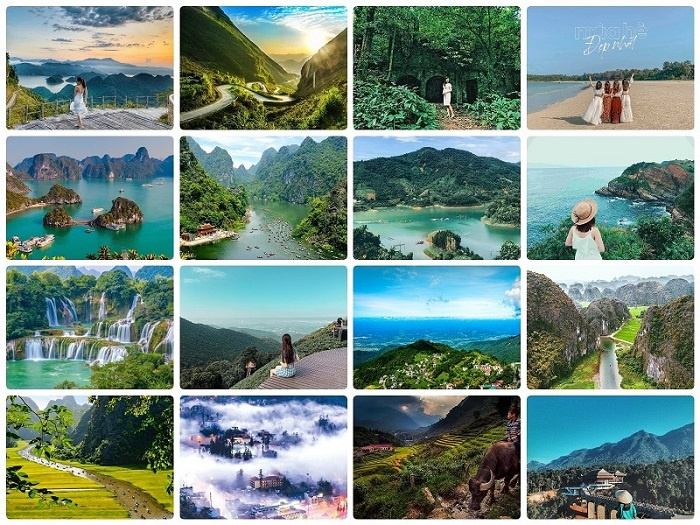
See more: Mu Cang Chai Photo Tour
3. Sapa and Muong Hoa Valley: Ethnic Heritage and Mountain Mist
While Sapa town has experienced rapid tourist development, the surrounding Muong Hoa Valley remains one of the premier Vietnam photography spots for documenting ethnic minority traditions.
- Key Villages: Ta Van (Giay community), Lao Chai (Black Hmong), and Ta Phin (Red Dao).
- Unique Visual Elements: Ta Phin Village is world-famous for Red Dao women wearing bright scarlet headscarves and silver-adorned tunics. Capturing candid portraits of weavers sitting on wooden porches framed by morning mist provides deeply intimate visual stories.
See more: apa Trek & Culture 3 Days
4. Bac Ha and Can Cau Markets: Explosions of Color
To capture the dynamic energy of mountain commerce and social life, highland markets are essential Vietnam photography spots.
- Bac Ha Sunday Market: The largest and most famous ethnic market in Northern Vietnam, where Flower Hmong, Dao, and Tay villagers gather to trade livestock, hand-woven textiles, local honey, and traditional corn wine.
- Can Cau Saturday Market: Located closer to the Chinese border, this open-air hillside market offers raw, rustic photography opportunities with dramatic canyon views in the background.
- Portrait Advice: Work with a wide aperture (f/1.8 to f/2.8) to isolate subjects from bustling market backgrounds while maintaining soft, natural bokeh.
Central Highlands and Coastal Vietnam Photography Spots
Moving south toward Central Vietnam reveals an entirely different tapestry of ethnic cultures, landscapes, and architectural heritage.
5. Kon Tum and Gia Lai: Bahnar and Giarai Longhouses
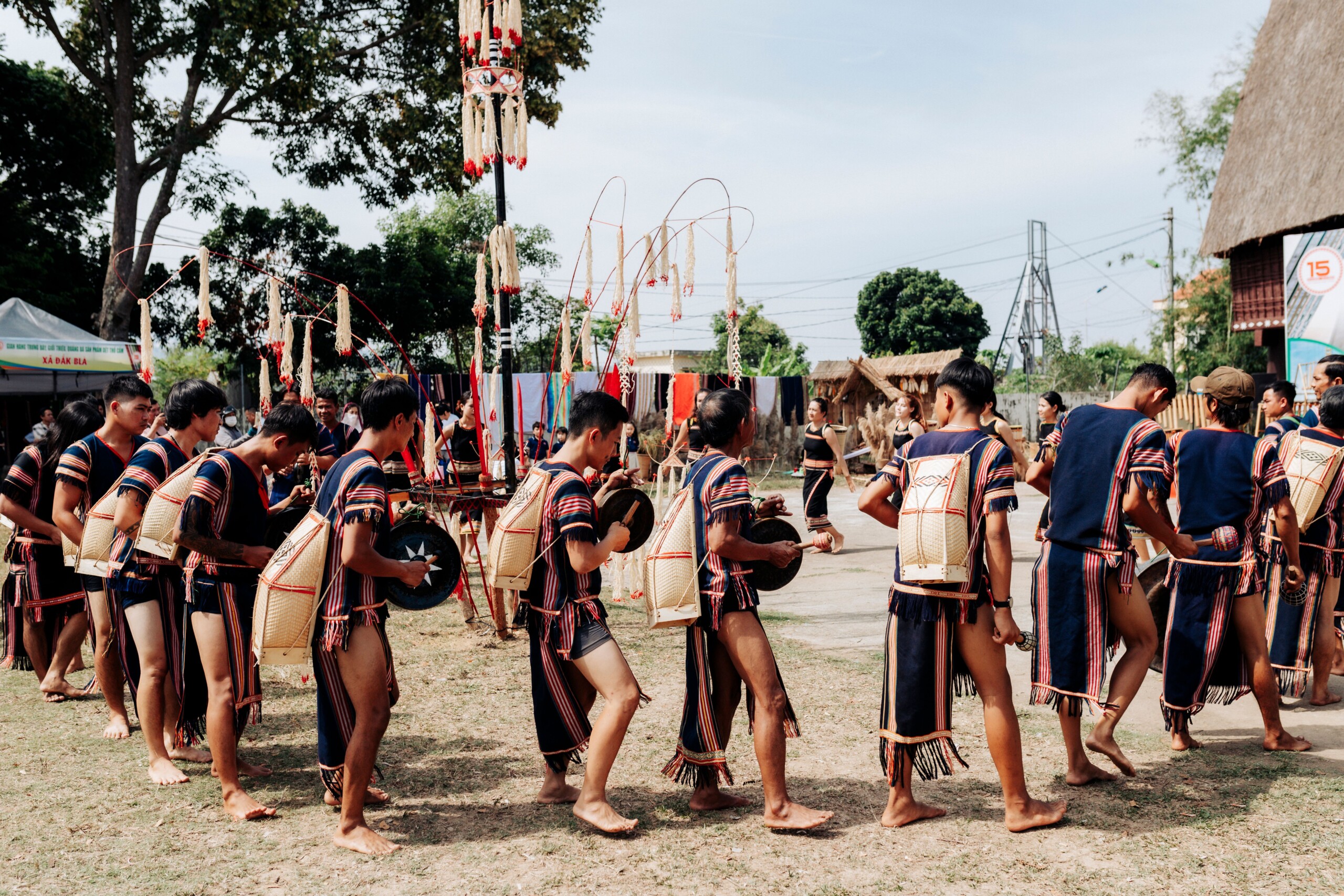
The Central Highlands (Tay Nguyen) present rare opportunities to document indigenous Austroasiatic and Austronesian communities known for their distinctive communal longhouses (Nha Rong).
- Key Shooting Locations: Kon Ktu Village near Kon Tum, traditional Bahnar settlements along the Dak Bla River, and wooden Catholic churches blending European and indigenous architecture.
- Visual Highlights: Photographing soaring wooden Nha Rong roofs—resembling giant ax blades pointing toward the sky—during sunset creates impressive silhouettes. Documenting village elders playing traditional bronze gongs (Cong Chieng) offers powerful cultural portraiture across central Vietnam photography spots.
6. Ninh Thuan and Binh Thuan: Ancient Cham Culture
Along the sunny south-central coast, the Cham people preserve ancient Hindu and Islamic traditions dating back to the Champa Kingdom.
- Key Shooting Locations: Po Klong Garai Cham Towers in Phan Rang, Bau Truc Pottery Village (one of the oldest craft villages in Southeast Asia), and My Nghiep Brocade Weaving Village.
- Artisanal Photography: Bau Truc potters shape clay without using a potter’s wheel, walking backward around the clay pedestal instead. Capturing their graceful movements, weathered hands, and dust-filled light beams in indoor workshops produces dramatic, emotive imagery among regional Vietnam photography spots.
See more: Central tour packages
Southern Vietnam Photography Spots: The Mekong Delta Rhythms
In the fertile southern plains, the Mekong Delta hosts vibrant Khmer communities alongside Vietnamese and Chinese populations, creating serene riverine photography backdrops.
7. Tra Vinh and An Giang: Khmer Pagodas and Palm Trees
An Giang and Tra Vinh provinces feature over 140 stunning Khmer Buddhist pagodas characterized by golden spires, intricate naga sculptures, and quiet monastic life.
- Key Shooting Locations: Ta Pa Paddy Fields in Tri Ton (An Giang), famous for iconic sugar palm silhouettes against sunset skies, and Hang Pagoda in Tra Vinh.
- Visual Themes: Early morning shots of saffron-robed Theravada monks walking silently through ancient pagoda courtyards offer peaceful, meditative compositions among top southern Vietnam photography spots.
See more: Southern tour packages
Technical Equipment and Gear Recommendations
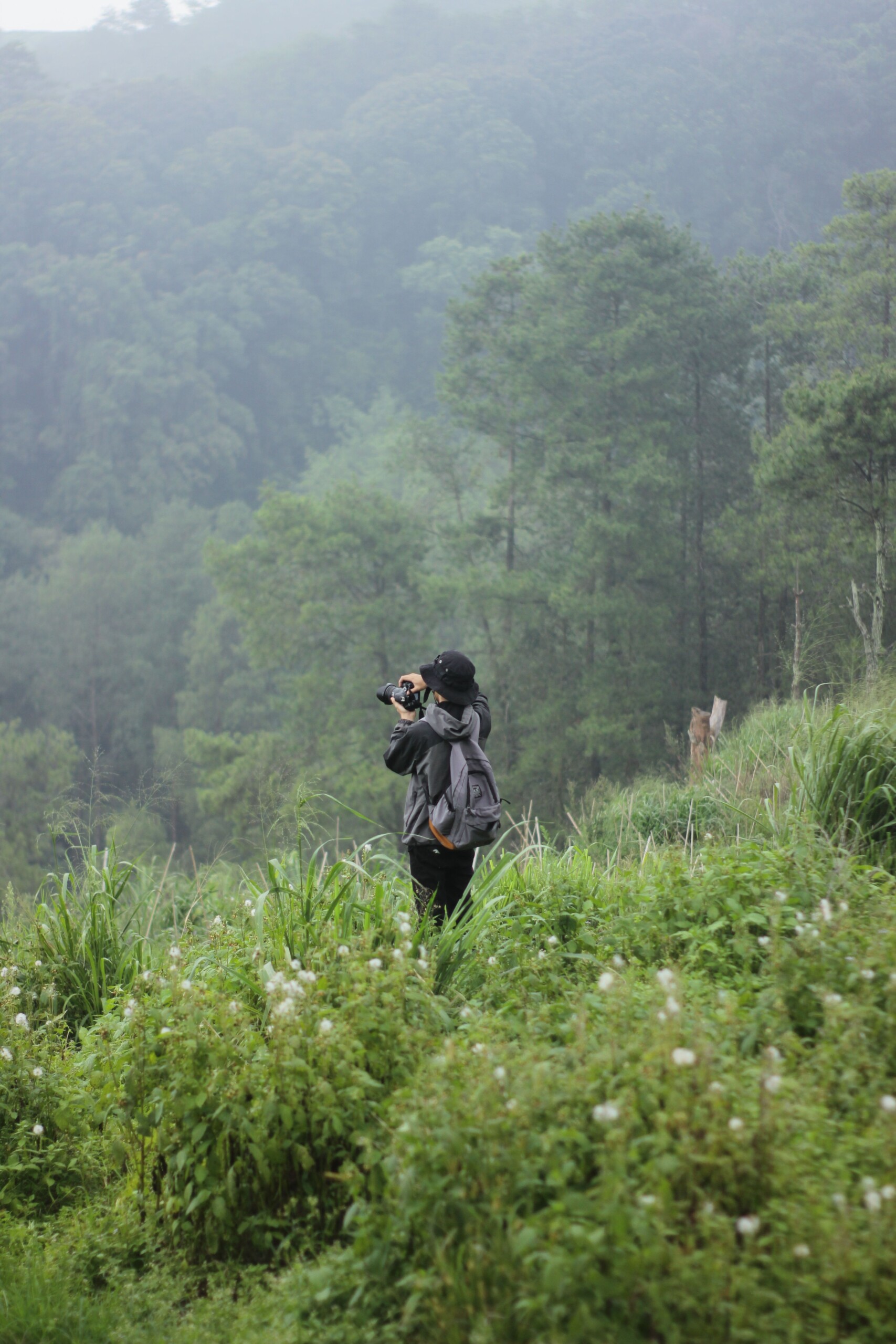
Navigating remote highland Vietnam photography spots requires a balanced, durable camera setup that allows agility without sacrificing image quality.
- Camera Bodies: A weather-sealed full-frame or APS-C mirrorless camera body is ideal for handling high humidity, dust, and mountain drizzle. Carrying a backup body saves time during fast-moving market scenes.
- Essential Lenses:
- 24-70mm f/2.8: The ultimate versatile lens for environmental portraits, market scenes, and street photography across diverse Vietnam photography spots.
- 70-200mm f/2.8 or f/4: Indispensable for capturing compressed rice terrace layers, distant mountain passes, and candid portraits from a respectful distance.
- 16-35mm f/4 or 14-24mm f/2.8: Essential for wide sweeping landscapes atop Ha Giang’s Ma Pi Leng Pass or inside spacious communal longhouses.
- 35mm or 50mm f/1.4 – f/1.8 Prime: Perfect for low-light indoor portraits in traditional wooden stilt houses.
- Accessories: Sturdy lightweight carbon fiber tripod, polarizers (CPL) to control glare on flooded rice paddies, ND filters for long exposure waterfalls, extra batteries (cold mountain temperatures drain power quickly), and waterproof dry bags.
Ethical Guidelines for Documenting Ethnic Diversity in Vietnam
At Vietnam Local Adventures, ethical storytelling is paramount. Photographers bear a responsibility to respect local dignity, preserve cultural authenticity, and foster positive human interactions when visiting remote Vietnam photography spots.
- Always Ask for Consent: Before taking close-up portraits, establish eye contact, smile, and ask for permission. A friendly gesture or learning basic local greetings (Xin chào) builds immediate rapport.
- Avoid Staged Exploitation: Refrain from paying children for photos, as this encourages school truancy and commercialization. Instead, support local economies by purchasing hand-crafted brocades, hiring local guides, or staying at village homestays.
- Share the Results: Show your subjects the photos on your camera screen. The joy and laughter shared when villagers see their portraits creates unforgettable, genuine travel memories during your tour of Vietnam photography spots.
- Respect Sacred Spaces: When entering Buddhist pagodas, communal longhouses, or ancestral worship areas, dress respectfully (cover shoulders and knees) and ask permission before photographing religious ceremonies.
Sample 10-Day Northern Vietnam Photography Itinerary
Here is a curated photography tour blueprint designed by Vietnam Local Adventures to capture the absolute best northern Vietnam photography spots:
- Day 1: Hanoi Departure to Nghia Lo – Drive through tea plantations, capturing early evening light over Tu Le Valley.
- Day 2: Nghia Lo to Mu Cang Chai – Cross Khau Pha Pass; full afternoon shooting Mam Xoi rice terraces during golden hour.
- Day 3: Mu Cang Chai Exploration – Full day dedicated to Hmong village portraits and hidden terrace viewpoints in La Pan Tan.
- Day 4: Mu Cang Chai to Sapa – Drive over O Quy Ho Pass; sunset shoot at Muong Hoa Valley Vietnam photography spots.
- Day 5: Sapa Ethnic Villages & Bac Ha – Morning portrait session in Ta Phin Red Dao village; afternoon transfer to Bac Ha.
- Day 6: Bac Ha Market to Ha Giang – Early morning shoot at Bac Ha Sunday Market; scenic afternoon drive to Ha Giang City.
- Day 7: Ha Giang to Dong Van – Traverse Quan Ba Twin Mountains and Sung La Valley; sunset over the karst plateau.
- Day 8: Dong Van to Meo Vac – Sunrise hike along Ma Pi Leng Sky Path; boat photography inside Tu San Canyon.
- Day 9: Meo Vac to Cao Bang – Scenic mountain transit through ethnic Nung and Tay villages.
- Day 10: Ban Gioc Waterfall to Hanoi – Sunrise shoot at Ban Gioc Waterfall and Nguom Ngao Cave before returning to Hanoi.
See more: 10 days in Northern Vietnam
Conclusion: Capture the Authentic Spirit of Vietnam
Documenting the ethnic diversity and dramatic landscapes across iconic Vietnam photography spots is one of the most rewarding travel experiences on earth. From the gold-draped terraces of Mu Cang Chai to the vibrant textile markets of Bac Ha and the ancient longhouses of Kon Tum, every corner of Vietnam tells a story of resilience, artistry, and deep connection to nature.
Ready to embark on an unforgettable visual expedition? Partner with Vietnam Local Adventures to design customized photography tours led by knowledgeable local guides who unlock access to off-the-beaten-path locations, foster authentic cultural connections, and ensure your creative journey is seamless and rewarding.