
Blog, VIETNAM CLASSIC TOURS, Vietnam Travel Blog
Homestay Culture in Vietnam: What to Expect in Ethnic Minority Villages
Discover Authentic Living Experiences with Vietnam Local Adventures
When international travelers think of Vietnam, they often picture luxury hotels in bustling cities, pristine coastal beach resorts, or multi-day cruises through Ha Long Bay. However, no journey through this vibrant Southeast Asian country is truly complete without experiencing its most intimate and profound accommodation style: staying overnight in remote ethnic minority mountain villages. Choosing a genuine Vietnam homestay experience is far more than simply securing a place to sleep after a long day of trekking; it is an open door into an ancient, preserved world where time slows down and human warmth bridges every cultural divide.
At Vietnam Local Adventures, we specialize in designing exclusive, off-the-beaten-path family homestay expeditions that take you far beyond commercialized tourist circuits into the secluded settlements of the H’Mong, Dao, Thai, Tày, and Lô Lô communities. This comprehensive guide walks you through everything you need to know about homestay culture in Vietnam—from traditional stilt house architecture and mountain gastronomy to subtle cultural etiquette and practical expectations.
See more: tours in Ha Long Bay
Homestay Culture: The Distinct Difference from Standard Hotels
Unlike modern commercial lodging, homestays across northern Vietnam’s highlands and central valleys carry a unique character rooted in centuries-old nomadic, agricultural, and close-knit community traditions.
1. Living Beneath One Roof with Indigenous Host Families
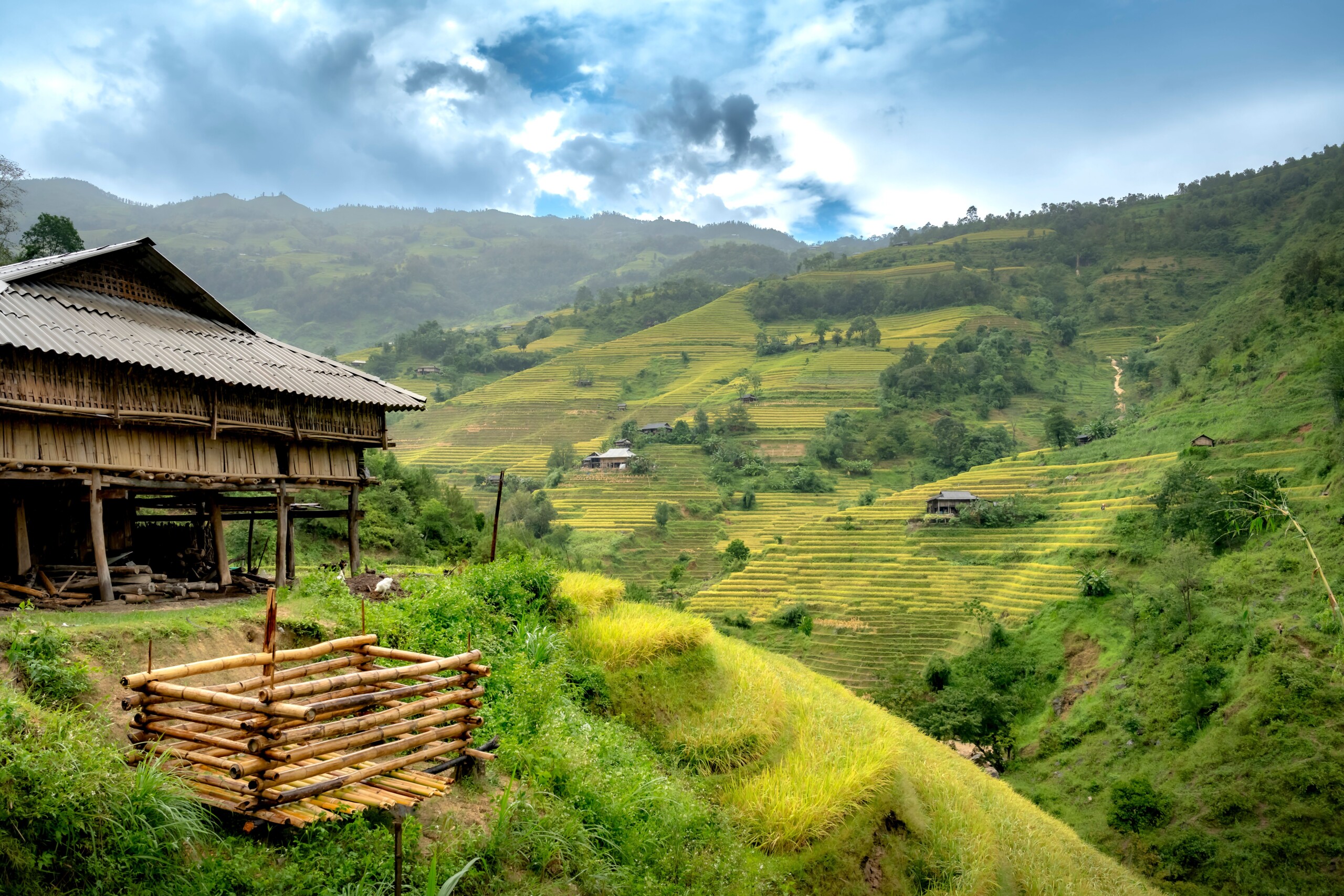
An authentic homestay means you live directly inside the daily rhythm of a local family—sleeping under roofs made of seasoned Po Mu timber, thick rammed-earth walls, or massive hardwood stilt structures. You will hear the crackle of the central hearth, smell the gentle aroma of woodsmoke mixed with wild medicinal herbs, and witness generations of family members gathering around evening meals.
2. Natural Warmth and Genuine Hospitality
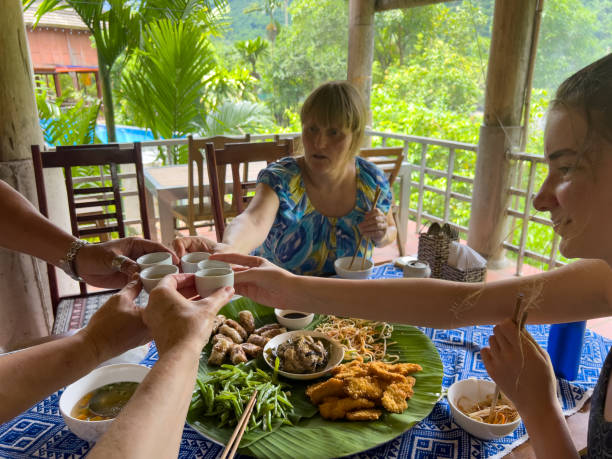
Ethnic minority communities in Vietnam are renowned for their openness, humility, and warm hospitality. While language barriers may occasionally exist, radiant smiles, firm handshakes, and shared cups of warm corn wine effortlessly dissolve cultural boundaries the moment you step across the threshold.
3. Respecting Architecture and Natural Surroundings
Traditional homestays do not feature luxury air conditioning or private marble en-suite bathrooms. Instead, accommodations remain wonderfully rustic, featuring wooden partitions, hand-woven indigo textiles, and expansive panoramic views overlooking terraced rice paddies or mist-shrouded mountain peaks.
See more: Tours in North Vietnam
Distinctive Architecture: Stilt Houses and Rammed-Earth Homes
Each ethnic group in Vietnam has engineered architectural styles tailored perfectly to the rigorous climate and rugged topography of the northern highlands.
Traditional Stilt Houses of the Thai, Tày, and Nùng
- Structural Design: Stilt houses are elevated 1.5 to 2 meters above the ground on massive timber columns made of ironwood, protecting the living quarters from ground dampness and livestock while creating an airy shaded space underneath for storing agricultural tools.
- Interior Layout: Floors are laid with split bamboo or wide wooden planks. The central hearth (bếp lửa) remains permanently lit to provide warmth during cold mountain winters and to smoke meats. Guests sleep in partitioned alcoves equipped with thick comfortable mattresses, hand-embroidered blankets, and clean mosquito nets.
Rammed-Earth Homes of the H’Mong and Lô Lô
- Structural Design: Commonly found across arid limestone plateaus like Ha Giang, exterior walls are constructed from thick, golden clay packed tightly into wooden frames, reaching thicknesses of 40 to 50 centimeters.
- Climatic Advantages: This dense earthen construction keeps interiors warm during freezing winter blizzards and refreshingly cool during hot summer months, offering robust protection against harsh mountain weather.
See more: 5D4N Ha Giang – Cao Bang Adventure Tour
A Day in the Life: Typical Village Itinerary
To help you visualize what an immersive Vietnam homestay experience entails, here is a breakdown of a day spent living alongside a mountain family:
Morning: Welcoming Sunrise Over Terraced Valleys
- 06:00 AM: Wake up in the crisp mountain air, listening to distant rooster crows and watching sea-of-clouds inversions drift across valley floors outside your window.
- 07:00 AM: Enjoy a simple, hearty breakfast prepared by your hosts—typically steaming hot noodle soup, sticky highland rice served with toasted sesame salt, or traditional corn cakes paired with wild forest honey and herbal tea.
- 08:30 AM: Set out with your local guide to trek through pristine primary forests, ancient Shan Tuyet tea plantations, or secluded Red Dao and Lô Lô hamlets.
Midday: Field Picnics and Local Flavors
- 12:30 PM: Pause beside a crystal-clear mountain stream or at a friendly local dwelling along the trail to enjoy a picnic lunch featuring grilled free-range chicken scented with wild makkhén pepper, boiled mountain pork dipped in ginger fish sauce, and bamboo-tube rice (cơm lam).
Afternoon: Discovering Traditional Handicrafts
- 02:00 PM: Return to the village homestay. Take time to wander through village lanes, observing H’Mong women practicing indigo dyeing and intricate beeswax batik drawing on hemp fabric, or learning how Tày artisans make traditional handmade paper.
- 04:30 PM: Rejuvenate your body with a traditional Red Dao herbal bath—a therapeutic soak utilizing dozens of hand-foraged medicinal roots and forest leaves, ideal for easing muscles after a long day of hiking.
Evening: Fireside Stories and Cultural Exchange
- 06:30 PM: Join your host family in preparing dinner. Learn how to wrap local spring rolls, grill skewers over glowing embers, or pound traditional sticky rice cakes.
- 08:00 PM: Gather around the crackling hearth to sip warm corn liquor while village elders share ancient legends, folklore, and stories of mountain spirits.
See more: Hanoi’s Street Food Tour
Highland Gastronomy: Flavors of the Wild Mountains
Food is a cornerstone of any memorable Vietnam homestay experience. Ingredients are 100% organic, cultivated directly on hillside terraces or foraged responsibly from deep forest reserves.
- Black H’Mong Indigenous Chicken: A prized free-range breed with dark meat and bones, celebrated for its rich flavor and prepared in nourishing herbal broths or roasted with wild honey.
- Free-Range “Armpit” Pork (Lợn Cắp Nách): Small mountain pigs allowed to forage freely on roots and greens, yielding lean, sweet meat with crispy skin.
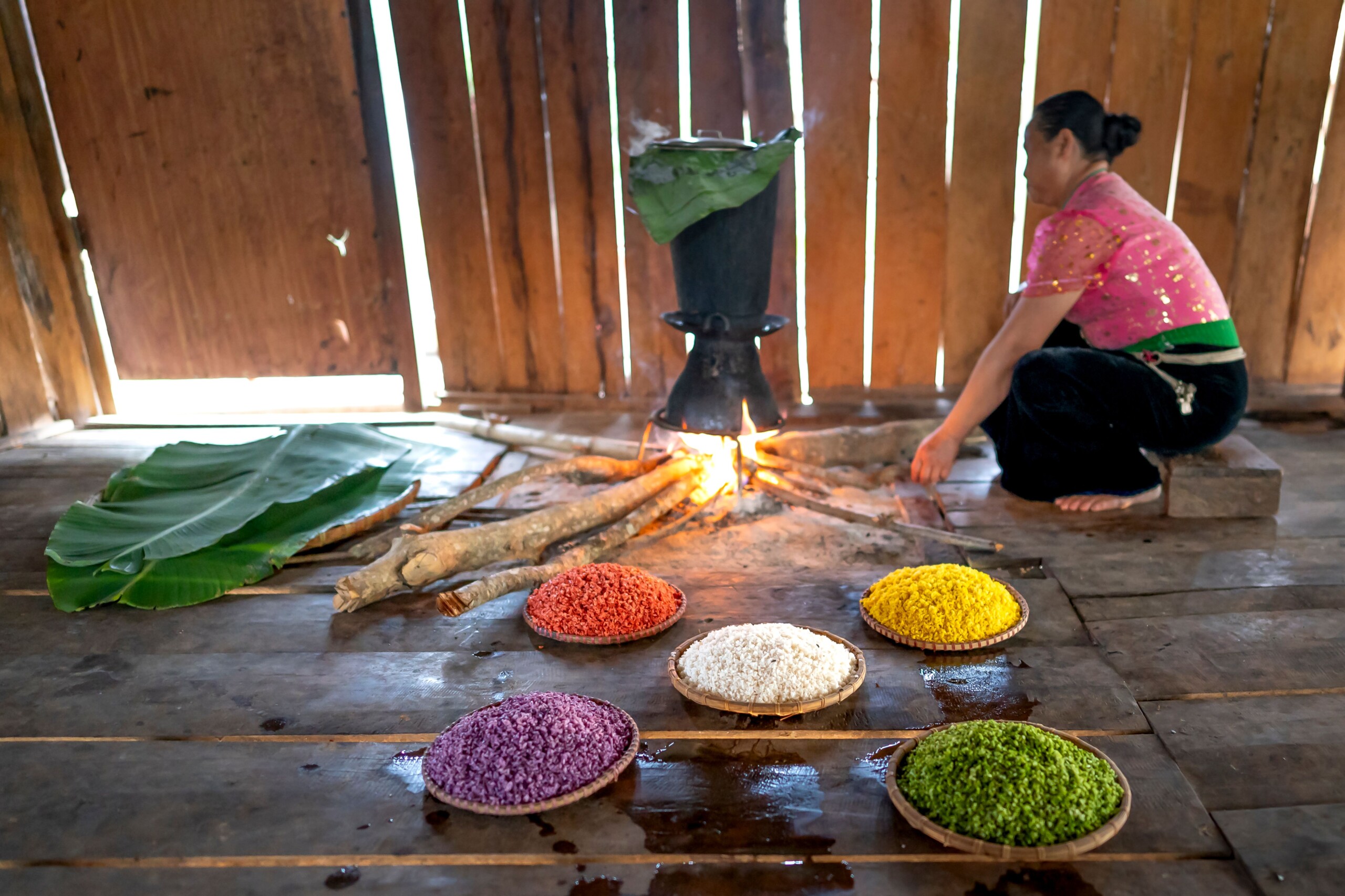
- Bamboo-Tube Rice (Cơm Lam): Fragrant sticky rice cooked inside fresh bamboo tubes over open coals, carrying a subtle woody aroma.
- Local Corn Wine (Rượu Ngô): A traditional spirit brewed from high-altitude corn and natural forest leaf yeast, carrying the warm, earthy spirit of the northern frontier.
Essential Etiquette and Cultural Guidelines
To ensure your stay is respectful, harmonious, and deeply appreciated by your hosts, keep these core cultural customs in mind:
1. Respecting Sacred Spaces and Household Customs
- The Central Hearth and Ancestral Corners: In traditional stilt houses, the central area and elevated corners near ancestral altars hold deep spiritual significance. Avoid hanging clothing in these areas, sitting with your back turned directly to sacred shrines, or pointing your feet toward the altar.
- Village Gateway Taboos: Some villages observe spiritual community rituals (such as forest protection or village-cleansing ceremonies). If you notice knotted green branches or woven bamboo signs placed across path entrances, do not enter without explicit local permission.
2. Attire and Modesty
- Dress Conservatively: When walking through residential alleys or sharing meals with host families, wear neat, modest clothing covering shoulders and knees out of respect for elders and traditional values.
- Conserve Water Resources: Mountain water is channeled directly from fragile mountain springs and can be scarce during dry seasons. Practice mindful water usage and maintain strict cleanliness by avoiding littering.
3. Communication and Photography
- Ask Before Photographing: Always request permission before taking portraits of villagers, especially elderly residents and young children. Avoid capturing private spiritual rituals unless invited.
- Refrain From Handing Out Candy or Cash: Giving sweets or money directly to children encourages begging and dental decay. Instead, support communities sustainably by purchasing local handicrafts or contributing educational supplies directly to village school fund managers.
See more: Vietnam photography Tours
Why Choose Vietnam Local Adventures for Your Homestay Journey?
Navigating remote highland regions independently can present significant challenges regarding language barriers, navigation, and border permit regulations. Choosing Vietnam Local Adventures guarantees a seamless, enriching journey:
- Expert Native Guides: Our licensed guides are born and raised in these very mountains, fluent in English, and deeply connected to reputable homestay families.
- Exclusive, Non-Commercial Itineraries: We steer clear of mass-tourism spots, guiding you instead to pristine, culturally authentic villages that preserve their true heritage.
- Commitment to Sustainable Tourism: Every dollar spent on accommodation, meals, and guiding services goes directly back into the pockets of local households, supporting community livelihoods and cultural preservation.
Frequently Asked Questions (FAQs)
1. Do village homestays feature private bathrooms?
Traditional homestays utilize clean, shared bathroom facilities built to local village standards. Select upgraded eco-homestays in our curated portfolio offer modernized private plumbing while retaining their classic wooden architecture.
2. Do I need to bring a sleeping bag?
All homestays arranged by Vietnam Local Adventures provide clean, freshly laundered bedding, thick mattresses, and warm blankets. However, travelers sensitive to cold winter nights are welcome to bring a lightweight travel sleeping bag liner for extra comfort.
3. Can dietary restrictions or vegetarian diets be accommodated?
Absolutely! Simply inform us of your dietary requirements (vegetarian, vegan, food allergies) in advance, and our support team will coordinate custom, delicious menus with your host families.
Book Your Authentic Homestay Experience Today!
True travel goes far beyond gazing at landscapes through a car window; it is about living, breathing, and connecting with the genuine heartbeat of local people who call the mountains home. A Vietnam homestay experience is your gateway to that deeper world.
Contact Vietnam Local Adventures today to begin customizing your private mountain expedition, cultural immersion, and unforgettable stay in northern Vietnam!